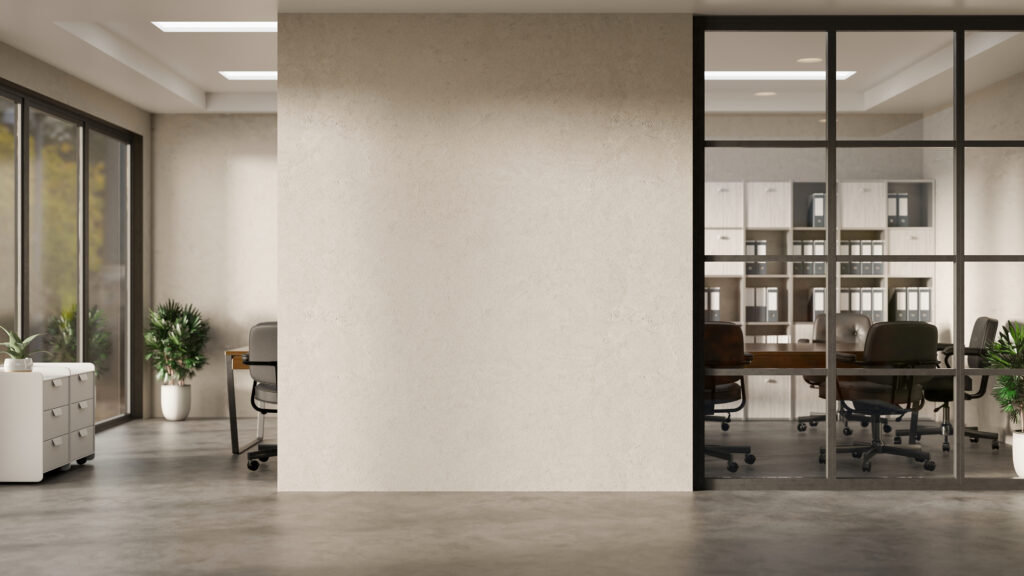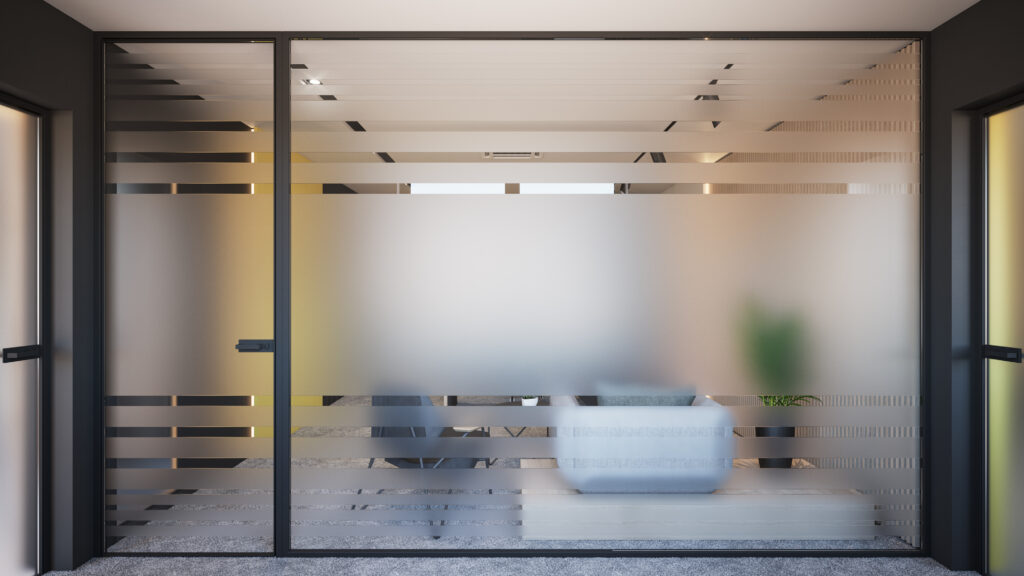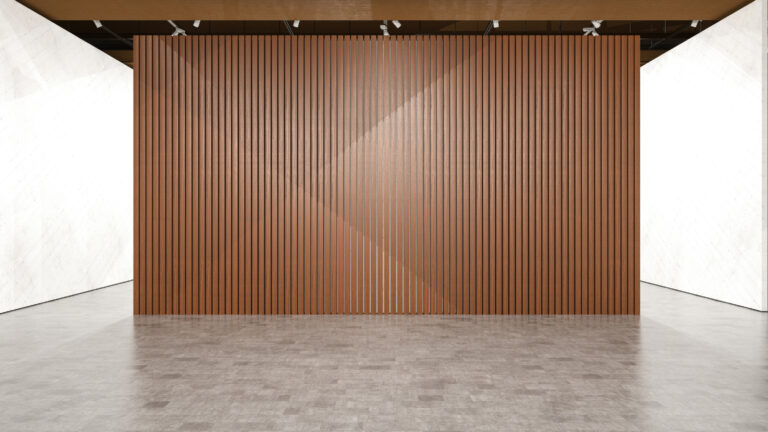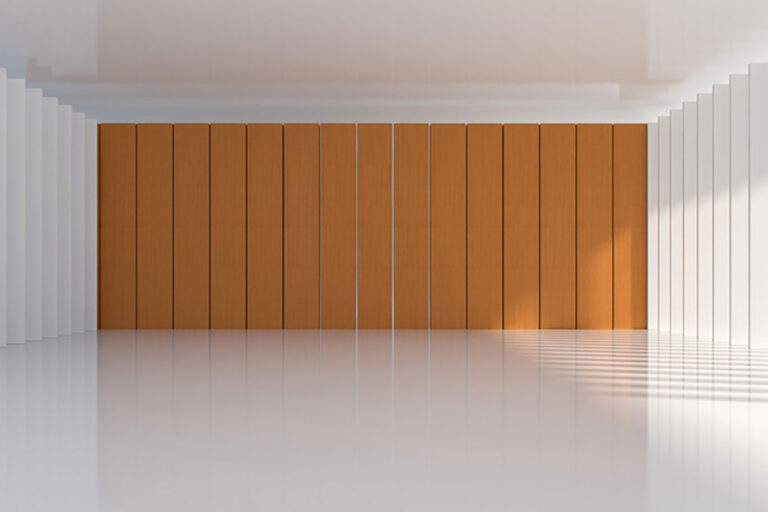
Partition systems are no longer viewed purely as practical room dividers. In modern interior design, they also play an important role in shaping the appearance, atmosphere and functionality of a space.
While glazed and aluminium systems are often associated with contemporary commercial interiors, wooden partition systems continue to remain popular across both commercial and residential environments. Their combination of warmth, versatility and visual character makes them an attractive option for many different applications.
From offices and hospitality venues to homes and community buildings, wooden partitions can create clearly defined spaces while maintaining a more natural and welcoming aesthetic compared to some alternative materials.
Understanding the strengths of wooden partition systems can help businesses and property owners decide whether they are the right fit for their environment.
Why do people choose wooden partition systems?
One of the biggest reasons wooden partitions remain popular is their visual appeal.
Wood introduces warmth and texture into interior spaces in a way that materials such as glass, steel or aluminium often cannot replicate. This can help environments feel:
- more comfortable
- more welcoming
- less clinical
- more traditional
- visually softer
For some businesses, this aesthetic is particularly important.
A corporate office may benefit from sleek glazed systems, but a hospitality venue, community space or residential interior may prefer a more natural appearance that feels less formal.
Wooden partition systems are also highly versatile in terms of style. Depending on the finish and design, they can suit:
- contemporary interiors
- traditional buildings
- heritage properties
- modern residential spaces
- hospitality venues
- educational environments
Because timber finishes vary so widely, wooden systems can often integrate more naturally into existing interiors than some metal or glass alternatives.
How do wooden partitions compare with glazed systems?
Glazed partitions are often chosen to maximise visibility and natural light, particularly in offices. However, wooden partition systems offer several different advantages depending on the priorities of the space.
Greater visual warmth
Glass and aluminium can sometimes create a more minimalist or corporate appearance. Wooden systems tend to create a softer and more inviting atmosphere.
Improved privacy
Solid wooden partitions naturally provide more visual privacy than clear glazed systems.
Reduced visual distraction
In some environments, too much transparency can become distracting. Wooden partitions create stronger separation between areas, which may improve concentration and comfort.
Traditional character
Wood is often better suited to period buildings or interiors where contemporary glass systems may feel out of place.
Flexible design possibilities
Wooden systems are available in a wide range of finishes, panel styles and configurations.
That does not mean one system is universally better than another. The right solution depends on how the space needs to function.
Many commercial environments now use combinations of materials to balance openness, acoustics and aesthetics more effectively.
Are wooden partition systems suitable for commercial spaces?
Although wooden partitions are sometimes associated more with residential interiors, they are widely used in commercial settings as well.
Common commercial applications include:
Hospitality venues
Restaurants, hotels and lounges often use wooden partitions to create more intimate spaces and improve ambience.
Offices
Some businesses prefer wooden systems in meeting rooms, breakout areas or executive spaces where a warmer interior feel is desired.
Community venues
Community halls and shared public spaces may use timber partitions to complement traditional interiors.
Educational buildings
Certain schools and learning environments use wooden systems to create more comfortable and less institutional interiors.
Residential developments
Wooden partitions are frequently used within apartments and open-plan homes to divide spaces more flexibly.
In many cases, timber finishes help commercial interiors feel more approachable and less sterile compared to heavily glazed environments.
How do wooden partitions affect acoustics?
Acoustic performance is often an important consideration when dividing spaces.
Glazed systems can sometimes allow more sound reflection within a room, particularly if acoustic glazing is not specified. Wooden partition systems may help create a softer acoustic environment depending on the design and materials used.
Solid surfaces combined with acoustic insulation can improve sound separation between spaces, which may be particularly useful in:
- meeting rooms
- hospitality settings
- shared workspaces
- educational environments
- community buildings
The level of acoustic performance varies significantly depending on the specification of the partition system itself.
Businesses requiring stronger sound control may also explore dedicated acoustic partition solutions alongside timber finishes.
Can wooden partition systems improve interior design?
For many property owners and designers, appearance is just as important as functionality.
Wooden partition systems can help interiors feel more refined, balanced and cohesive.
Timber finishes are often associated with:
- natural materials
- biophilic design trends
- warmth and comfort
- timeless aesthetics
- craftsmanship
As workplace and hospitality design increasingly focuses on creating more welcoming environments, natural materials have become more popular again.
According to Dezeen interior design trends, timber and natural textures continue to feature heavily in contemporary commercial interiors because they help soften modern spaces.
Wooden partitions can also complement other materials effectively, including:
- glass
- steel
- exposed brick
- stone
- fabric finishes
This flexibility allows designers to create interiors that feel modern without appearing overly cold or industrial.
Are wooden partitions suitable for flexible layouts?
Many modern wooden partition systems are designed with flexibility in mind.
Options may include:
- sliding timber partitions
- folding timber systems
- movable wooden walls
- fixed timber screens
- partially glazed timber partitions
This allows businesses and homeowners to combine the visual advantages of timber with adaptable layouts.
For example, a restaurant may use folding timber partitions to divide private dining areas when needed, while an office may use sliding wooden systems to create flexible meeting spaces.
Businesses looking for adaptable layouts may also explore partition wall solutions that combine flexibility with strong visual design.
What should you consider before choosing wooden partitions?
Before selecting a wooden partition system, it is important to consider how the space will function on a daily basis.
Key considerations include:
Maintenance requirements
Different timber finishes may require varying levels of upkeep depending on usage and environment.
Acoustic priorities
Some systems provide stronger sound insulation than others.
Light flow
Solid timber partitions naturally reduce visibility and daylight compared to fully glazed systems.
Interior style
The partition design should complement the wider aesthetic of the building.
Flexibility needs
Some spaces may benefit from movable or folding systems rather than fixed partitions.
Professional guidance can help ensure the chosen system balances appearance, practicality and long-term usability.
How do wooden partitions compare with metal or aluminium systems?
Metal and aluminium systems are often chosen for their modern appearance and slim profiles, particularly in highly contemporary office environments.
Wooden systems offer a different type of appeal.
They may be better suited where the priority is:
- warmth
- comfort
- traditional character
- softer interiors
- hospitality-focused design
- reduced visual harshness
Rather than competing directly, these materials often suit different environments and design objectives.
In some projects, combining timber with glazing or metal elements can provide the best overall balance.
Frequently Asked Questions
Are wooden partition systems durable?
Yes. High-quality timber partition systems are designed for long-term commercial and residential use when properly maintained.
Can wooden partitions be movable?
Many modern wooden systems are available as sliding, folding or movable partitions.
Do wooden partitions provide privacy?
Yes. Solid timber systems generally provide strong visual separation and privacy.
Are wooden partitions suitable for offices?
Absolutely. Wooden partitions can work particularly well in meeting rooms, executive spaces and breakout areas.
Can wooden partitions include glass sections?
Yes. Many designs combine timber framing with glazed panels to balance privacy with light flow.
If you are considering stylish and practical ways to divide your space, A-Door Additions can help you explore partition systems tailored to your interior requirements.
Phone: 01935 847289
Email: sales@buildingadditions.co.uk
Find out more: A-Door Additions
Find us on BPI