Introduction
A wooden divider is one of the most effective ways to separate space while maintaining warmth and visual appeal. Unlike more industrial materials, timber brings a natural aesthetic that works equally well in both residential and commercial interiors. As open-plan layouts continue to dominate design trends across the UK, the demand for flexible yet stylish solutions like the wooden divider has grown significantly.
Whether used in a home, office or hospitality setting, a well-designed wooden divider can define areas without making a space feel closed off or restrictive.
What Is a Wooden Divider?
A wooden divider is a partition system made from timber or wood-based materials, designed to divide interior spaces without the permanence of a full wall. These dividers can be fixed, sliding or movable, depending on the application.
They are commonly used in:
- Open-plan homes
- Offices and workspaces
- Restaurants and hospitality venues
- Retail environments
Because a wooden divider is versatile in both design and function, it offers a balance between practicality and aesthetics.
Why Choose a Wooden Divider?
Natural Aesthetic Appeal
One of the main reasons people choose a wooden divider is its visual warmth. Timber finishes can soften a space and create a more inviting atmosphere compared to glass or metal alternatives.
Flexible Space Division
A wooden divider allows you to separate areas without committing to permanent construction. This is particularly useful in spaces that need to serve multiple functions.
Versatility in Design
From slatted panels to solid wood systems, a wooden divider can be tailored to suit a wide range of interior styles, from traditional to contemporary.
Popular Wooden Divider Ideas
Slatted Dividers
Slatted designs are one of the most popular options. They allow light and air to pass through while still creating a clear visual boundary. This makes a wooden divider ideal for maintaining an open feel while defining zones.
Full Panel Dividers
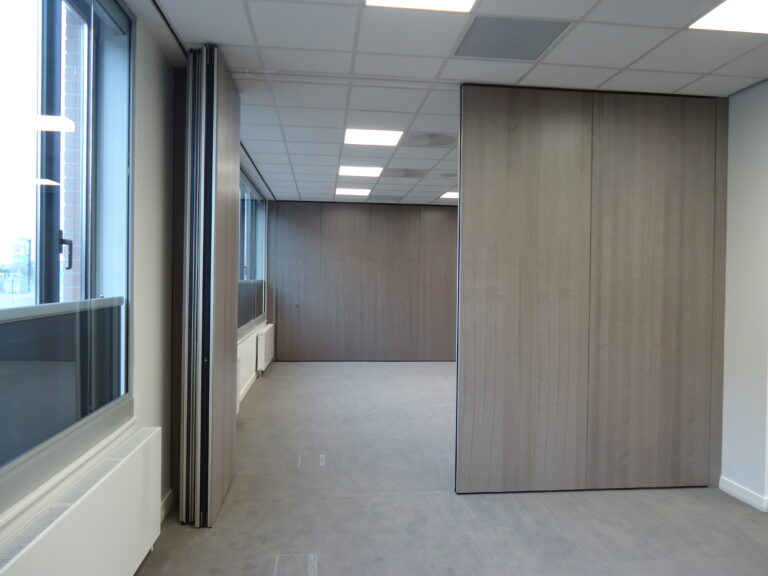
For more privacy, solid panel systems provide a stronger separation between spaces. These are often used in offices or areas where noise reduction is required.
Sliding Dividers
Sliding systems combine practicality with style. A divider on a sliding track can be opened or closed as needed, offering flexibility without taking up additional space.
Decorative Feature Dividers
In some interiors, a divider is used as a design feature rather than just a functional element. Custom patterns, finishes and textures can turn a simple partition into a focal point.
Where Wooden Dividers Work Best
Residential Spaces
In homes, a divider is often used to separate living and dining areas, create home office zones or define open-plan layouts without building permanent walls.
Offices and Workspaces
Businesses are increasingly incorporating divider systems to create a more comfortable and visually appealing working environment. For example, companies in Bath often favour timber finishes to complement heritage-style interiors.
Hospitality and Retail
Restaurants, cafés and retail stores use a divider to guide customer flow and create distinct areas while maintaining an open atmosphere.
Combining Style with Function
A wood divider is not just about appearance — it also plays a practical role in how a space functions. When designed correctly, it can:
- Improve layout organisation
- Provide partial privacy
- Enhance acoustic comfort
- Support flexible use of space
This combination of style and function is what makes timber partitions such a popular choice.
Design Considerations
Material Selection
Different types of wood and finishes can dramatically change the look of a divider. Lighter woods create a modern feel, while darker tones offer a more traditional appearance.
Maintenance Requirements
Timber requires some level of maintenance to keep it looking its best. Choosing high-quality finishes can help protect the surface and extend its lifespan.
Integration with Existing Interiors
A wood divider should complement the surrounding design, including flooring, furniture and colour schemes.
Sustainability
With growing awareness of environmental impact, many businesses are choosing sustainably sourced timber for their wooden divider systems.
Potential Limitations
While a wood divider offers many benefits, there are a few factors to consider:
- It may not provide full soundproofing
- Solid designs can reduce light flow
- Costs can vary depending on materials and customisation
However, these limitations can usually be addressed with the right design approach.
Conclusion
A wooden divider is a versatile and stylish solution for separating space without sacrificing design. Whether you are looking to enhance a home interior or create a more functional commercial environment, timber partitions offer a practical way to achieve both flexibility and visual appeal.
As more UK spaces move towards adaptable layouts, this divider continues to stand out as a reliable and attractive option.
Frequently Asked Questions
Q1: Can a wooden divider be customised?
A: Yes, most systems can be tailored in terms of size, finish and design.
Q2: Is a wooden divider suitable for offices?
A: Yes, it can create a more comfortable and visually appealing workspace.
Q3: Does a wooden divider block light?
A: Slatted designs allow light through, while solid panels provide more privacy.
If you’re looking to enhance your space with a practical and stylish solution, a professionally installed divider can deliver both flexibility and visual impact.
For expert advice and installation, contact A‑Door Additions today.
Phone: 01373 454577
Email: info@a-dooradditions.co.uk