Yes, glazed partitions can often be customised with branding, frosting, manifestation, decorative film or privacy finishes. This makes them a flexible choice for offices, clinics, showrooms, schools, studios and other commercial interiors where businesses want to divide space without losing natural light.
Customised glazing can serve several purposes at once. It can improve privacy, make glass more visible for safety, reinforce brand identity and help the interior feel more considered. A plain glass partition may create a bright, modern space, but adding frosting or branded graphics can make it more practical and distinctive.
The key is to treat glass customisation as part of the wider design and specification, not as an afterthought. The right finish should support how the room is used, how private it needs to be, how people move through the space and what impression visitors should have when they enter.
What Are Glazed Partitions?
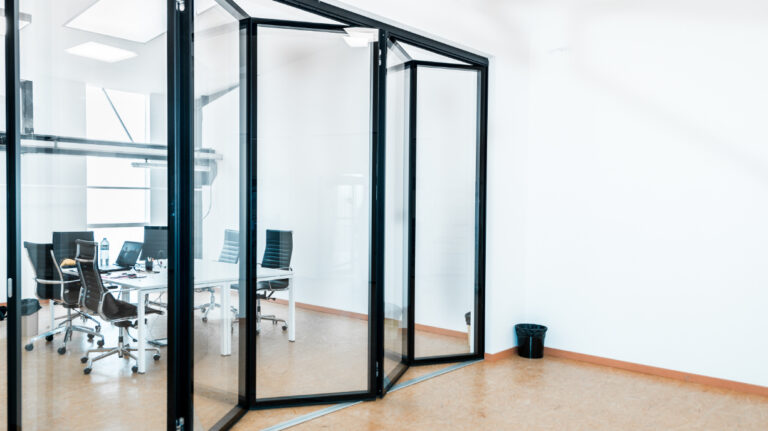
Glazed partitions are internal partition systems that use glass to divide space. They may be full-height, part-height, framed, frameless, single-glazed or double-glazed, depending on the setting and performance requirements.
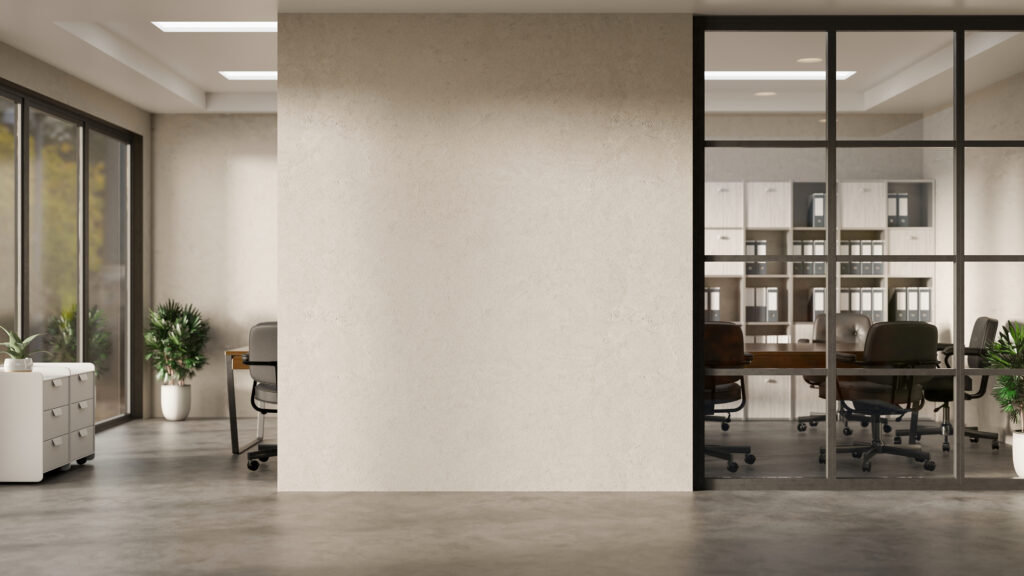
They are commonly used in open-plan offices, meeting rooms, reception areas, clinics, education spaces and commercial interiors where visibility and natural light are important. Instead of creating a solid barrier, glazed partitions allow a space to remain visually connected while still forming separate areas.
This is why they are popular in modern workplaces. A meeting room can be enclosed without feeling dark or boxed in. A manager’s office can remain visible to the team. A reception area can feel open while still separating visitors from staff-only areas.
However, clear glass is not always the best solution by itself. It may provide too much visibility, too little privacy or create safety concerns if people do not notice it. That is where frosting, manifestation and branding become useful.
How Can Glazed Partitions Be Customised?
Glazed partitions can be customised in several ways depending on the desired balance between privacy, safety, design and branding. The most common options include frosted film, etched-effect designs, printed graphics, manifestation strips, logos, patterns, privacy bands, decorative films and partial coverage.
Some businesses choose a simple frosted band across meeting room glass. Others use a repeated brand pattern, subtle geometric design or company logo. In client-facing interiors, customised glazing can help create a more professional and polished look.
Customisation can be applied in different levels of coverage. A fully frosted panel offers stronger visual privacy, while a partial band can screen seated eye level but keep the rest of the glass clear. A logo or pattern can add identity without making the space feel enclosed.
This flexibility is one of the main advantages of glazed partitions. Businesses can retain the openness of glass while adapting it to the way the room is actually used.
What Is the Difference Between Frosting, Manifestation and Branding?
Frosting, manifestation and branding are related, but they are not the same thing. Understanding the difference helps avoid confusion when planning a glazed partition.
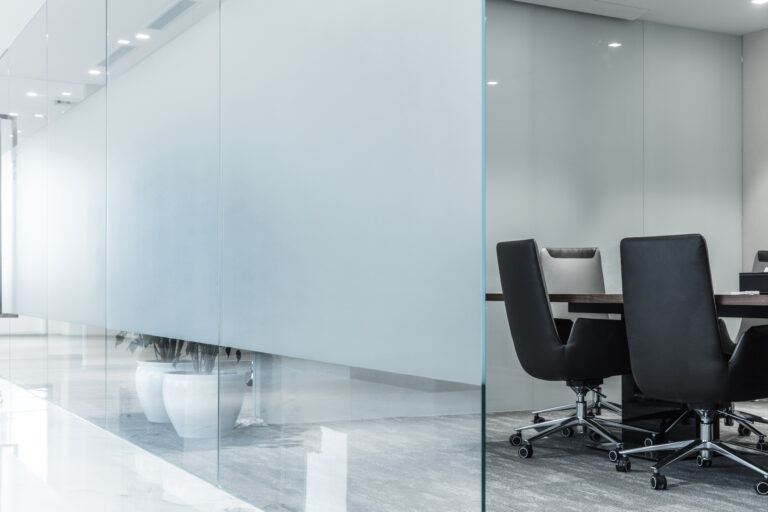
Frosting is usually used to create privacy. It gives glass a translucent finish so light can pass through, but clear views are reduced. It may be applied as full coverage, bands, panels or decorative patterns.
Manifestation is used to make glass more visible. It helps people notice transparent surfaces and reduces the risk of walking into them. Manifestation can be simple dots, lines, patterns, logos or decorative markings.
Branding uses the glass surface to display a company’s visual identity. This might include a logo, colour treatment, pattern, slogan or other design element. Branding can also act as manifestation if it is positioned and specified correctly.
In many projects, these functions overlap. A frosted band might improve privacy, meet visibility needs and include a subtle brand mark. The best results often come from combining these purposes rather than treating them separately.
Why Is Glass Manifestation Important?
Glass manifestation is important because large clear glazed surfaces can be difficult to see, especially in busy offices, public buildings and circulation areas. If glass is not visible enough, people may collide with it.
In England, Approved Document K covers protection from falling, collision and impact in and around buildings. The GOV.UK page for Approved Document K describes it as building regulation guidance covering users’ protection from falling, collision and impact.
Workplace rules are also relevant. Regulation 14 of the Workplace (Health, Safety and Welfare) Regulations 1992 says that transparent or translucent surfaces in walls, partitions, doors or gates should, where necessary for health or safety, be made of safety material or protected against breakage, and be appropriately marked or incorporate features to make them apparent.
For glazed partitions, this means visibility should be considered as part of the design. Manifestation does not have to look plain or institutional. It can be integrated into the overall visual scheme using bands, patterns, frosting or branded graphics.
Can Frosting Improve Privacy Without Blocking Light?
Yes, frosting is one of the most effective ways to improve privacy while still allowing light to pass through. This is why frosted glazed partitions are popular in meeting rooms, clinics, offices, consultation spaces, staff rooms and reception areas.
Clear glass can make a room feel open, but it may not be suitable for every activity. A meeting room may need discretion. A clinic may need patient privacy. A management office may need visual screening. A school office may need separation from a busy corridor.
Frosted glass helps reduce direct visibility while maintaining brightness. It can make a room feel less exposed without creating the heavier feel of a solid wall.
The level of privacy depends on the design. A narrow frosted band may screen only part of the view. Full-height frosting will provide stronger visual privacy. Partial frosting can be positioned at seated or standing eye level depending on how the room is used.
Where Are Branded Glazed Partitions Most Useful?
Branded glazed partitions are especially useful in spaces where clients, visitors, staff or students regularly pass through. They can create a professional impression while helping define different areas within a building.
In offices, branding can be applied to meeting room glazing, reception partitions, boardrooms and breakout areas. In clinics, it can help create a more polished and reassuring environment. In schools or training centres, subtle graphics can support wayfinding or reinforce the identity of a department, academy trust or learning space.
Branding does not need to be bold to be effective. In many interiors, understated frosting with a small logo or repeated pattern looks more professional than large promotional graphics. The aim should be to enhance the space, not overwhelm it.
A well-designed branded partition can also help reinforce consistency across the interior. It connects the physical workspace with the organisation’s wider visual identity.
Are Custom Glazed Partitions Suitable for Open-Plan Offices?
Custom glazed partitions are particularly suitable for open-plan offices because they can provide separation without making the space feel closed off. Open-plan layouts often need meeting rooms, private spaces and quieter zones, but solid walls can reduce light and make the office feel smaller.
Glazed partitions solve part of this problem by retaining visibility and brightness. Frosting and branding then make the glass more practical. A frosted band can reduce distraction during meetings, while branded manifestation can make the glass safer and more visually interesting.
For example, an open-plan office might use clear upper glass to preserve light, frosted central bands for privacy and a subtle logo pattern to create a professional finish. This gives the room a clear purpose while keeping it connected to the wider workspace.
Custom glazing can also help support hybrid working. As offices become more varied, with video-call rooms, quiet zones and collaboration spaces, partitions need to define areas without making the layout feel fragmented.
Can Glazed Partitions Be Used in Clinics and Healthcare Settings?
Glazed partitions can be used in clinics and healthcare settings, but privacy, cleaning and patient dignity must be considered carefully. Clear glass may be suitable for reception areas, staff offices and waiting spaces, but treatment and consultation areas often need more privacy.
Frosting can be useful because it allows light to pass through while reducing visibility. This can help clinical spaces feel brighter without exposing patients or staff. Branded frosting may also help private clinics create a calm, professional environment.
In healthcare settings, the choice of film or finish should be practical as well as attractive. Surfaces may need to be cleaned regularly, and any graphics should be suitable for the environment. The location of the glazed partition also matters. Glass near corridors, waiting rooms or public areas may need stronger privacy than glass used internally between staff zones.
A customised glazed partition can work well when it balances openness with discretion.
Can Glazed Partitions Be Used in Education Spaces?
Glazed partitions can also be useful in schools, colleges and training centres, particularly where supervision and light are important. Internal glass can help staff maintain visibility while still separating offices, intervention rooms, libraries, reception areas or shared learning spaces.
However, education settings require careful specification. Safety, durability and visibility are important, particularly where pupils move around the building throughout the day. Manifestation helps make glass more apparent and can be designed in a way that suits the school environment.
Frosting can help reduce distraction where rooms are used for focused work, pastoral support or meetings. For example, a partially frosted glazed partition can allow staff to see that a room is occupied without exposing every detail of the conversation or activity.
Branding may also be used to support school identity, house colours, department themes or wayfinding. The design should remain practical, clear and age-appropriate.
How Does Customisation Affect the Feel of a Space?
Customisation can change the feel of a glazed partition significantly. Clear glass can feel open and minimal, but it may also feel exposed. Frosted glass feels softer and more private. Branded glass can feel more polished and intentional.
The design should match the character of the interior. A corporate office may suit clean lines and subtle manifestation. A creative studio may prefer stronger graphics or patterns. A clinic may benefit from calming, understated frosting. A community venue may need something simple, robust and easy to understand.
It is also important to think about how the design looks from both sides. A partition may face a reception area on one side and a meeting room on the other. The design should work from both perspectives.
Too much graphic coverage can make a space feel busy. Too little may fail to provide the required privacy or visibility. The best approach is usually a considered balance.
Can Frosting Be Added After Installation?
In many cases, frosting or film can be added to glazed partitions after installation. This can be useful if a business starts with clear glass and later realises that more privacy or manifestation is needed.
However, it is better to consider frosting at the design stage where possible. Planning early allows the glazing, frame, room use and graphics to work together. It also helps avoid temporary-looking additions or designs that do not align with the rest of the interior.
Retrofitting film can still be a practical option. For example, a meeting room may become more confidential over time, or a business may rebrand and want to update the glass graphics. Applied films can allow changes without replacing the entire partition.
The suitability of retrofitting depends on the glass type, condition, access, finish requirements and whether the design needs to meet safety or visibility requirements.
Does Branding Affect Maintenance?
Branding and frosting can affect maintenance depending on the material and application method. Applied films and graphics should be cleaned carefully to avoid lifting edges, scratching the surface or damaging the finish.
Most office and commercial environments can maintain frosted or branded glass with routine cleaning, provided suitable products and methods are used. Abrasive pads, harsh chemicals and excessive scraping should generally be avoided unless the finish is designed to tolerate them.
In high-use settings, such as schools, healthcare spaces or public venues, durability should be considered when choosing the film or finish. Edges, corners and areas close to handles may experience more contact.
A good design will consider maintenance from the start. For example, placing graphics away from heavy contact areas may help preserve appearance for longer.
Can Custom Glazing Improve Wayfinding?
Yes, customised glazed partitions can help with wayfinding. In larger offices, clinics, schools and public buildings, glass can be used to identify rooms, mark departments or guide people through the space.
A meeting room might include a room name or number. A clinic might use frosting to distinguish waiting areas from treatment areas. A school might use subtle graphics to identify reception, administration or learning support spaces.
Wayfinding graphics should be clear and accessible. They should help users understand the building without adding visual clutter. Where glass is used in circulation routes, manifestation and signage can work together to make the space safer and easier to navigate.
For businesses with several rooms or departments, this can improve both visitor experience and staff efficiency.
Are Glazed Partitions Better Than Solid Partitions?
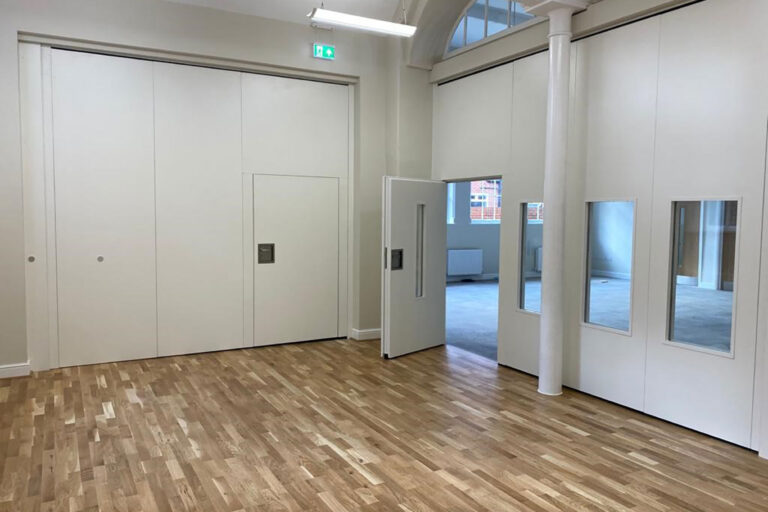
Glazed partitions are not automatically better than solid partitions. They simply solve different problems. Glass is useful where light, visibility and openness matter. Solid partitions are often better where privacy, acoustic separation or full enclosure is the priority.
For many projects, a combination works best. A meeting room may use solid sections for acoustic control and glazed sections for light. A reception area may use glass for openness, with frosting for privacy. A clinic may use solid walls for treatment rooms and glazed partitions for administrative areas.
The right choice depends on how the space will be used. Customisation makes glazed partitions more versatile, but it does not remove the need for good specification.
Where a warmer or more traditional interior is desired, wooden partition systems may offer an alternative or complementary option. In domestic or mixed-use settings, domestic partition walls may also be worth exploring.
What Should Businesses Consider Before Customising Glazed Partitions?
Before choosing branding or frosting, businesses should think carefully about the practical purpose of the glass. The design should be guided by privacy, safety, visibility, branding and room use.
Useful questions include:
- Does the room need visual privacy?
- Should the glass remain mostly clear to retain openness?
- Is manifestation required for safety or visibility?
- Should branding be bold, subtle or purely functional?
- Will the design work from both sides of the partition?
- How will the glass be cleaned and maintained?
- Does the finish suit the wider interior?
- Could the room use change in future?
It is also worth considering how the glazed partition connects with other elements of the space, such as doors, flooring, lighting, furniture and wall finishes. A good design should feel integrated rather than added at the end.
Frequently Asked Questions
Can a company logo be added to glazed partitions?
Yes, company logos can often be added to glazed partitions using applied film, manifestation or printed graphics. The design can be subtle or more prominent depending on the room and brand style.
Is frosted glass private enough for meeting rooms?
Frosted glass can provide useful visual privacy for meeting rooms while still allowing light through. The level of privacy depends on how much of the glass is frosted and where the frosting is positioned.
Does glass manifestation have to be plain?
No, glass manifestation does not have to be plain. It can be designed as dots, lines, patterns, frosting or branding, provided the glass is made sufficiently visible for the setting and relevant requirements.
Final Thoughts
Glazed partitions can be customised with branding, frosting and manifestation to create spaces that are bright, practical and professional. Customisation can improve privacy, support safety, reinforce brand identity and make internal glazing feel more intentional.
The best design depends on how the room is used. A meeting room may need privacy, a reception area may need branding, a clinic may need discretion, and a school may need visibility and safety. By planning the glazing finish carefully, businesses can retain the benefits of glass while solving the practical issues that clear glass alone may create.
For advice on glazed partitions, frosting, branding and flexible space division, contact A-Door Additions to discuss the most suitable approach for your project.
Phone: 01373 454577
Email: info@a-dooradditions.co.uk
Find out more: https://buildingadditions.co.uk/