Schools and educational buildings are expected to support a wide variety of activities throughout the day. From classroom teaching and group work to assemblies, sports activities and after-school events, educational spaces need to remain adaptable without compromising safety, acoustics or practicality.
This is one of the main reasons partition systems are so widely used in schools, colleges and community learning environments across the UK.
Rather than relying entirely on fixed walls, modern systems allow educational spaces to be divided, expanded or reconfigured depending on how the building is being used at any given time.
However, not every system is suitable for educational environments. Schools and assembly halls have specific requirements around durability, acoustic control, ease of operation and flexibility.
Choosing the right type can make a significant difference to how effectively a learning environment functions on a daily basis.
Why are flexible systems important in schools?
Educational spaces rarely serve just one purpose.
A school hall, for example, may be used for:
- assemblies
- PE lessons
- lunch service
- drama rehearsals
- examinations
- parent meetings
- community activities
Similarly, classrooms increasingly support collaborative learning, group sessions and adaptable teaching styles rather than static desk layouts.
Flexible systems allow schools to maximise the usability of their buildings without requiring multiple permanently divided spaces.
This adaptability can help schools:
- improve space efficiency
- accommodate different class sizes
- reduce disruption
- support varied learning activities
- create quieter working environments
- improve operational flexibility
As schools continue to face pressure on available space and budgets, adaptable layouts are becoming increasingly valuable.
What types of partitions are commonly used in classrooms?
Different classrooms require different types of partition systems depending on how the space is used.
Movable walls
Movable partition walls are widely used in educational settings because they allow spaces to change quickly throughout the day.
These systems can divide larger classrooms into smaller teaching areas or open spaces back up for group activities when needed.
Movable partitions are particularly useful in:
- multi-use teaching spaces
- collaborative learning environments
- SEN facilities
- training rooms
- adaptable classrooms
Many systems are designed with acoustic insulation to help minimise noise transfer between teaching areas.
Sliding partitions
Sliding partitions are often used where schools require simpler and more streamlined room division.
They can work well in:
- breakout areas
- small teaching spaces
- staff meeting rooms
- support learning zones
Sliding systems are usually easy to operate and can integrate neatly into modern educational interiors.
Folding partitions
Folding partitions are particularly common in larger school environments because they can divide wider openings efficiently.
These systems fold away compactly when not in use and are often used to create temporary learning zones within larger spaces.
They are commonly found in:
- assembly halls
- dining areas
- sports halls
- large teaching spaces
Which systems are best for assembly halls?
Assembly halls typically require highly flexible layouts because they host such a wide range of activities.
The best partition systems for assembly halls are usually those that combine:
- flexibility
- durability
- acoustic control
- ease of operation
- efficient storage
Acoustic movable walls
Acoustic movable walls are one of the most effective solutions for assembly halls.
These systems allow large halls to be divided into smaller spaces while significantly reducing sound transfer between activities.
This can be especially useful when:
- multiple classes use the hall simultaneously
- examinations are taking place
- performances or rehearsals require separation
- community activities occur alongside school use
Folding wall systems
Folding wall systems are also extremely popular in assembly halls because they allow large open spaces to be transformed quickly.
When opened, the panels stack neatly away, restoring the full hall area.
These systems are particularly useful in schools where halls serve multiple functions throughout the day.
Concertina
In some smaller schools or community learning spaces, concertina partitions may also provide a practical and cost-effective option for flexible room division.
Schools exploring adaptable educational layouts may also benefit from flexible wall solutions that support evolving teaching and operational requirements.
Why is acoustic performance so important in educational spaces?
Acoustic control is one of the most important considerations when selecting partitions for schools.
Poor acoustics can negatively affect:
- concentration
- speech clarity
- learning performance
- classroom management
- student wellbeing
This is particularly important in open or adaptable learning environments where multiple activities may occur simultaneously.
According to Department for Education acoustic standards, educational buildings should provide suitable acoustic conditions that support effective teaching and learning.
High-quality acoustic partition systems can help schools achieve quieter and more functional learning environments.
Important acoustic features may include:
- insulated panel construction
- acoustic seals
- sound-rated systems
- floor and ceiling sealing mechanisms
The required acoustic performance will vary depending on how the space is used.
What practical features should schools prioritise?
Educational environments place heavy demands on partition systems.
Unlike some commercial settings, school partitions are often operated frequently and used by large numbers of people every day.
Important practical considerations include:
Durability
School partitions must withstand regular use and occasional impact.
Ease of operation
Systems should be simple and safe for staff to operate efficiently.
Safety
Educational partition systems should comply with relevant safety standards and minimise operational risks.
Maintenance requirements
Schools generally benefit from systems designed for long-term reliability and low maintenance.
Storage efficiency
Partitions should stack compactly when opened to maximise usable space.
Professional specification advice can help schools balance these practical considerations effectively.
How do partition systems support modern teaching methods?
Traditional classrooms were often based around fixed layouts and static teaching approaches.
Modern education increasingly focuses on:
- collaborative learning
- flexible group work
- adaptable teaching spaces
- multi-functional environments
Partition systems support these approaches by allowing schools to modify room layouts depending on lesson requirements and occupancy levels.
For example:
- classrooms can combine for larger group activities
- halls can divide into smaller learning zones
- breakout spaces can be created temporarily
- quiet support areas can be added when needed
This flexibility allows schools to make better use of available space while supporting a wider range of teaching methods.
Are glazed partitions suitable for schools?
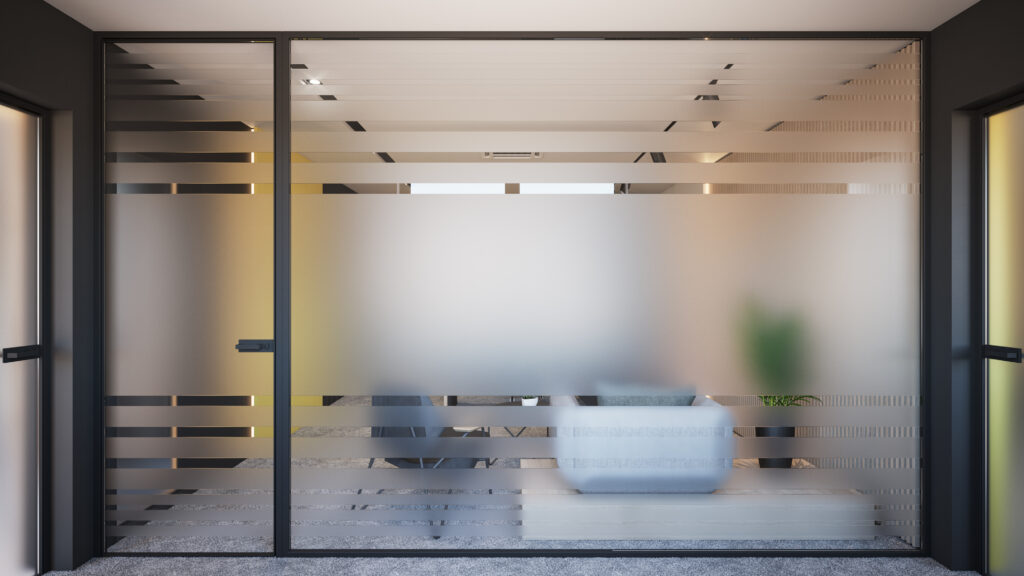
Glazed systems can work well in some educational environments, particularly where maintaining visibility and natural light is important.
They are often used in:
- staff areas
- learning support spaces
- administrative offices
- libraries
- collaborative zones
However, fully glazed systems may not always provide sufficient acoustic separation for noisier environments such as assembly halls.
Many schools therefore use a combination of glazed and solid acoustic partitions depending on the function of each space.
What should schools consider before installation?
Before choosing a system, schools should assess how the space will be used on a daily basis.
Important considerations include:
Frequency of room reconfiguration
Will the partitions be opened and closed regularly?
Acoustic priorities
How important is sound insulation between divided spaces?
Available floor space
Larger systems may require stacking areas when opened.
Future flexibility
Could the school’s space requirements change over time?
Budget and long-term durability
Educational systems should provide reliable long-term performance.
For schools planning adaptable learning environments, working with an experienced specialist can help ensure the chosen system supports both operational and educational needs.
Frequently Asked Questions
What partition type is best for school halls?
Acoustic movable walls and folding partitions are often the best solutions for larger assembly halls.
Are classroom partitions soundproof?
Most systems are not fully soundproof, but acoustic partitions can significantly reduce sound transfer.
Can partitions improve classroom flexibility?
Yes. Flexible partition systems allow classrooms and halls to adapt to different activities and group sizes.
Are movable partitions safe for schools?
Modern educational partition systems are designed with safety and durability in mind.
Do partition systems require a lot of maintenance?
Most high-quality systems are designed for long-term use with relatively low maintenance requirements.
If you are looking to improve flexibility within classrooms, assembly halls or educational buildings, A-Door Additions can help you explore practical solutions tailored to your learning environment.
Phone: 01935 847289
Email: sales@buildingadditions.co.uk
Find out more: A-Door Additions