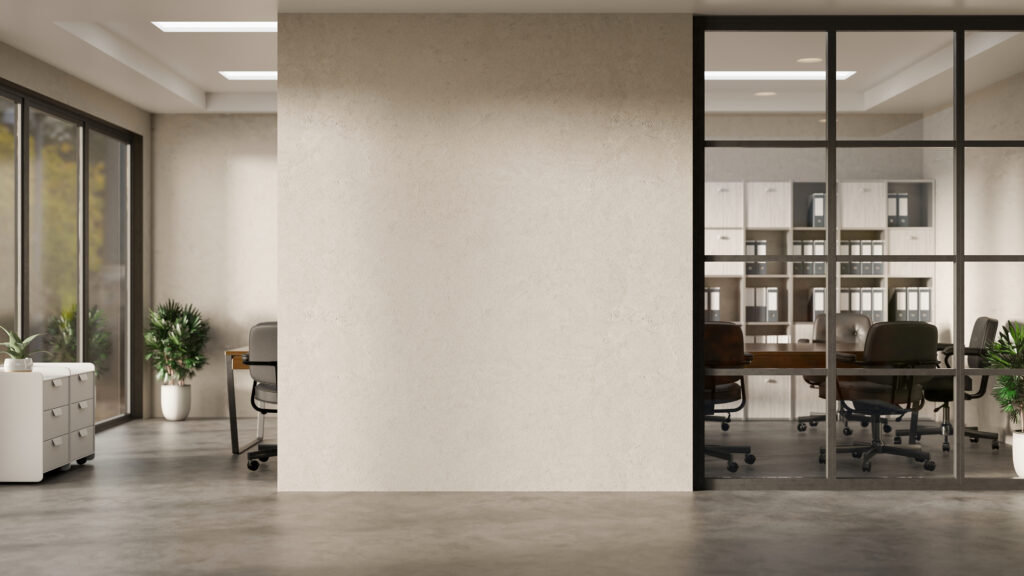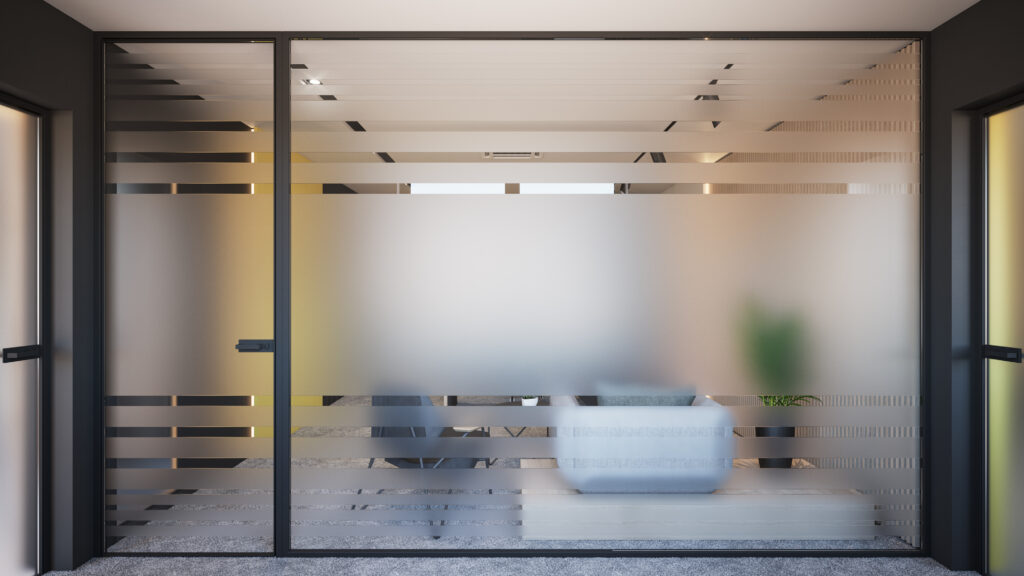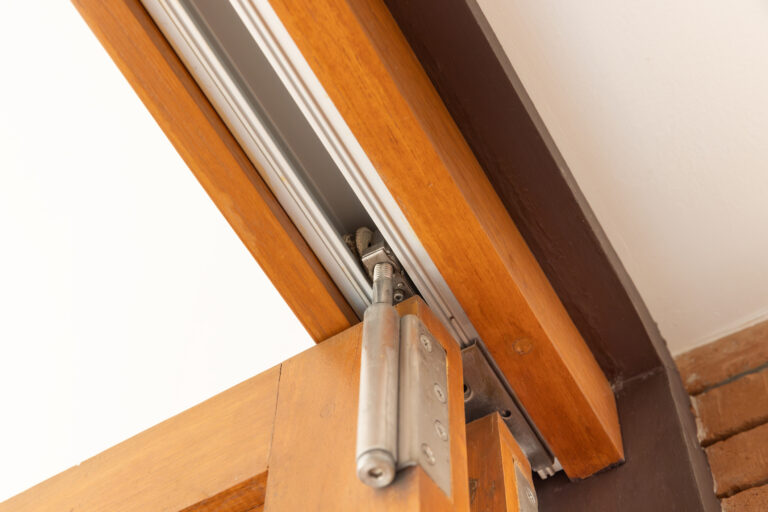
Flexible interior layouts are becoming increasingly important across commercial, educational and community environments. Many buildings are expected to support multiple activities throughout the day, often with changing occupancy levels and varying privacy requirements.
Concertina partitions provide a practical way to divide spaces quickly and efficiently without relying on permanent structural walls. Their folding design allows areas to be opened up or separated as needed, making them particularly useful in buildings where adaptability is essential.
Although concertina partitions are sometimes associated with older room divider systems, modern designs have evolved considerably. Today’s systems offer improved durability, appearance and acoustic performance while remaining easy to operate and highly space-efficient.
From schools and offices to healthcare settings and community venues, concertina partitions continue to be widely used wherever flexible space management is required.
What are concertina partitions?
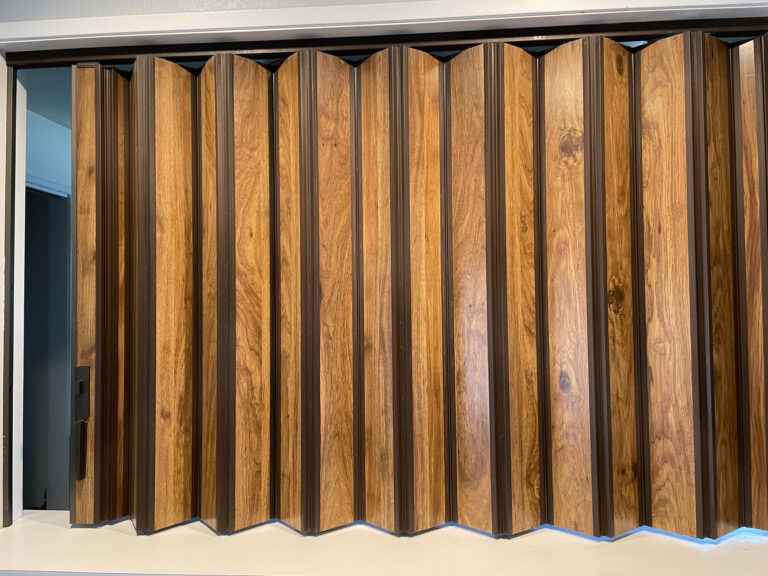
Concertina partitions are folding partition systems that open and close in an accordion-style motion along a track.
Unlike solid permanent walls, they can be folded neatly to one side when not in use, allowing a room to return to a larger open-plan layout.
These systems are commonly used to:
- divide larger rooms
- create temporary private areas
- improve multi-purpose room usage
- support flexible layouts
- maximise available floor space
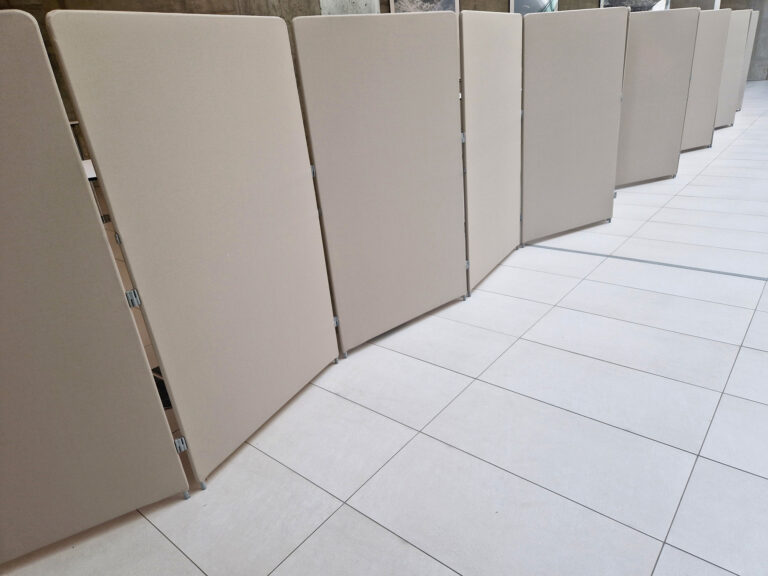
Concertina partitions are available in a range of materials and finishes depending on the intended environment. Some are designed primarily for visual separation, while others offer stronger acoustic performance for noise control.
Because they require relatively little space when folded away, concertina systems are particularly useful in environments where efficient room usage is important.
Why are concertina partitions popular in multi-use spaces?
One of the main advantages of concertina partitions is their ability to transform spaces quickly without permanent alterations.
Many organisations now operate buildings that need to support several functions rather than serving a single fixed purpose.
Examples include:
- schools using halls for multiple activities
- offices creating temporary meeting spaces
- community centres hosting simultaneous events
- healthcare facilities needing adaptable consultation areas
- hospitality venues adjusting room sizes for different bookings
Concertina partitions help these environments remain flexible without requiring extensive building work.
This adaptability can improve operational efficiency significantly by allowing the same area to support different uses throughout the day.
Which commercial spaces benefit most from concertina partitions?
Concertina partitions are used in many different commercial environments, particularly where flexibility and efficient room division are priorities.
Offices
Modern offices increasingly require adaptable layouts that support both collaboration and privacy.
Concertina partitions can help create:
- temporary meeting rooms
- breakout spaces
- private work areas
- training rooms
without permanently dividing the office.
This flexibility can be especially valuable for hybrid working environments where occupancy levels fluctuate throughout the week.
Hospitality venues
Hotels, restaurants and event venues often use concertina systems to create adaptable function spaces.
A large room may be divided for smaller events or reopened for larger gatherings depending on booking requirements.
Conference and training facilities
Conference centres and training venues frequently rely on movable room division systems to support different group sizes and event formats.
Concertina partitions allow spaces to be reconfigured quickly between sessions.
Retail and customer-facing environments
Some retail spaces use folding partitions to create consultation rooms, private customer areas or temporary divisions within larger premises.
Their ability to fold away neatly makes them particularly practical in commercial environments where floor space must remain flexible.
Why are concertina partitions useful in schools and educational buildings?
Educational environments are among the most common settings for concertina partition systems.
Schools often need flexible spaces that can support:
- assemblies
- classroom activities
- group learning
- performances
- examinations
- extracurricular activities
Concertina partitions allow larger halls or teaching areas to be divided quickly into smaller functional zones.
For example, a school hall may be used for physical education in the morning, group learning sessions during the afternoon and community events in the evening.
Without flexible partitions, accommodating these varying uses would be much more difficult.
Many schools also value acoustic partition systems that help reduce noise transfer between activities.
According to Department for Education acoustic guidance, effective sound control is important for maintaining suitable learning environments.
How do concertina partitions improve space efficiency?
Space efficiency is one of the biggest reasons organisations choose concertina partitions.
Rather than dedicating rooms to a single permanent function, buildings can adapt dynamically to changing operational needs.
Concertina partitions help maximise space efficiency by:
- allowing multiple uses within the same footprint
- reducing the need for additional rooms
- supporting flexible occupancy levels
- improving room utilisation
- minimising wasted floor space
This can be particularly valuable in environments where property costs are high or expansion opportunities are limited.
For community venues and commercial operators, improved flexibility may also create additional booking opportunities and revenue potential.
Are concertina partitions suitable for smaller spaces?
Yes. Concertina partitions can work extremely well in smaller spaces because of their compact folding design.
When opened, many systems stack neatly to the side without occupying significant floor space.
This makes them particularly useful in:
- smaller offices
- classrooms
- treatment rooms
- community facilities
- open-plan residential spaces
Their compact operation allows smaller environments to remain flexible without feeling cluttered or permanently divided.
Businesses seeking adaptable interior solutions may also explore modern partition wall systems for both residential and commercial applications.
What should organisations consider before installation?
Before choosing a concertina partition system, it is important to think carefully about how the space will be used.
Important considerations include:
Frequency of operation
Will the partitions be opened and closed daily?
Acoustic performance
Does the environment require stronger sound insulation?
Durability
High-traffic environments may require more robust systems.
Visual appearance
The partition finish should complement the wider interior design.
Available storage space
Some systems require stacking space when fully opened.
Ease of use
In schools or community venues, systems may need to be operated regularly by different staff members.
Professional advice can help ensure the chosen partition system matches both operational and aesthetic requirements.
How do concertina partitions compare with other partition systems?
Concertina partitions differ from sliding or fully movable wall systems in several ways.
Advantages of concertina systems
- compact folding operation
- efficient use of space
- relatively quick operation
- adaptable layouts
- cost-effective room division
Situations where alternatives may suit better
Highly acoustic commercial environments or premium office interiors may sometimes favour larger movable wall or glazed partition systems instead.
The best option depends entirely on the environment, usage requirements and desired appearance.
For businesses seeking warmer and more design-led interiors, wooden partition solutions may also be worth exploring alongside flexible folding systems.
Frequently Asked Questions
Are concertina partitions soundproof?
Most concertina systems are not fully soundproof, but acoustic options can significantly improve sound separation.
Can concertina partitions be locked?
Yes. Many systems include locking mechanisms for added privacy and security.
Are concertina partitions easy to operate?
Modern systems are generally designed for straightforward operation and smooth movement.
Can concertina partitions be customised?
Yes. They are available in a range of finishes, sizes and acoustic specifications.
Are concertina partitions suitable for offices?
Absolutely. They can work very well in flexible office environments where temporary room division is required.
If you are looking to improve flexibility within your building, A-Door Additions can help you explore practical partition systems tailored to your space and operational needs.
Phone: 01935 847289
Email: sales@buildingadditions.co.uk
Find out more: A-Door Additions
Find us on BPI