Introduction
A wall office partition is no longer just a functional addition to a workspace — it has become a core element of modern office design. As businesses across the UK move away from rigid layouts and purely open-plan environments, the need for structured yet flexible interiors has grown significantly.
A well-planned wall office partition allows companies to create defined working zones while maintaining adaptability. This balance is essential in today’s workplaces, where teams require both collaboration and quiet, focused areas throughout the day.
Why Modern Offices Rely on Wall Office Partition Systems
Open-plan offices initially gained popularity for encouraging collaboration, but many businesses quickly encountered issues such as noise, lack of privacy and reduced productivity.
A wall office partition helps solve these challenges by introducing structure without sacrificing flexibility. Instead of committing to permanent construction, businesses can divide space in a way that supports different working styles.
Typical improvements include:
- Quiet zones for focused work
- Private meeting areas
- Better organisation of teams and departments
This approach allows offices to evolve naturally as business needs change.
Types of Wall Office Partition for Contemporary Design
Fixed Partition Walls
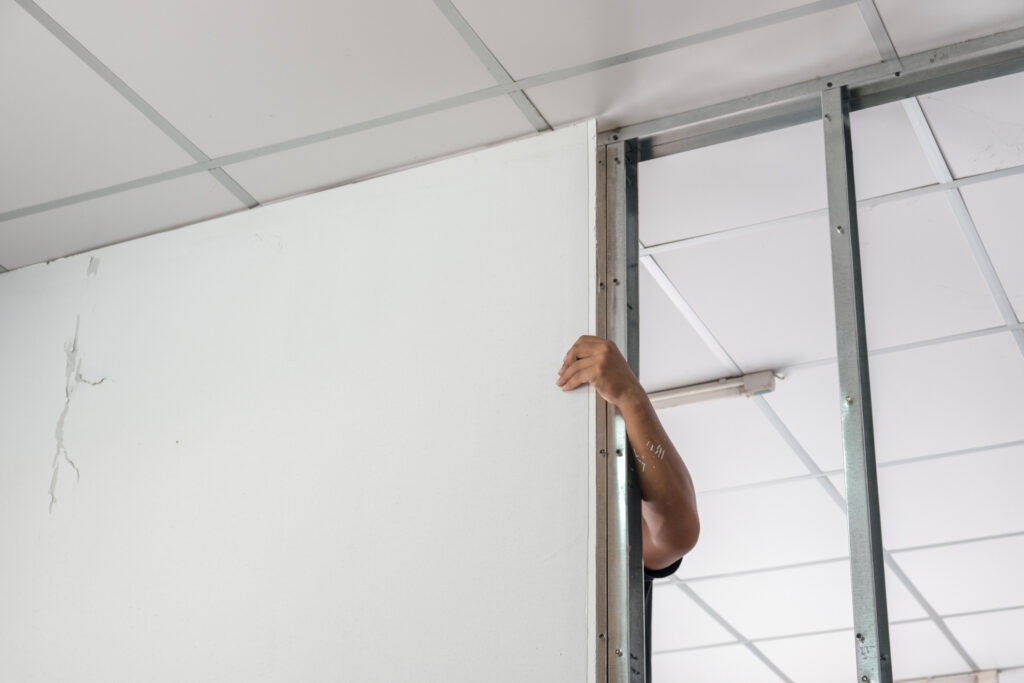
A fixed wall office partition provides a stable, long-term solution while still being faster to install than traditional walls. These are ideal for offices that require permanent meeting rooms or management spaces.
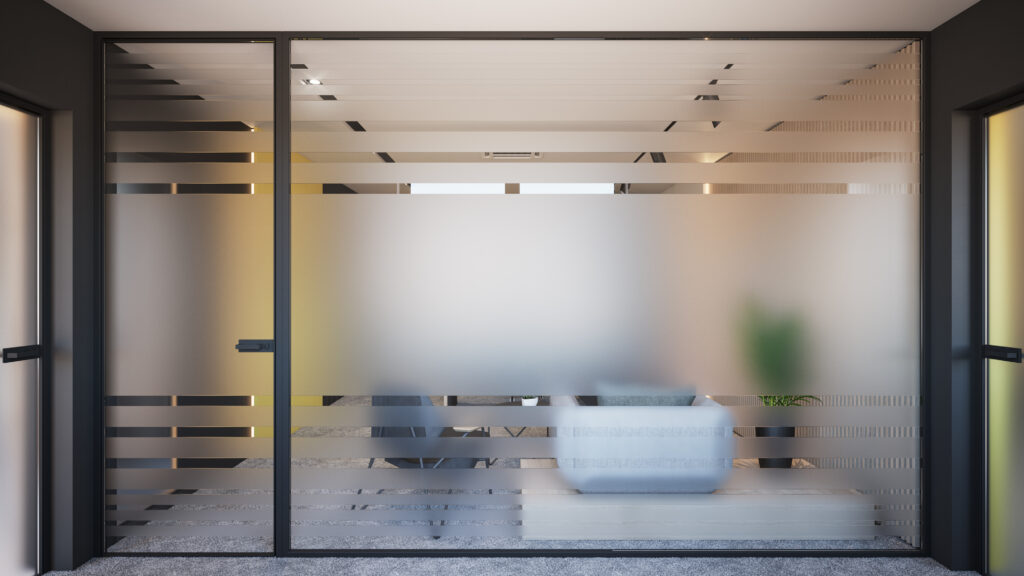
Glazed Partition Systems
Glazed systems are widely used in modern office environments. They allow natural light to flow through the workspace while still providing separation. This helps avoid the boxed-in feeling often associated with solid walls.
Movable Wall Systems
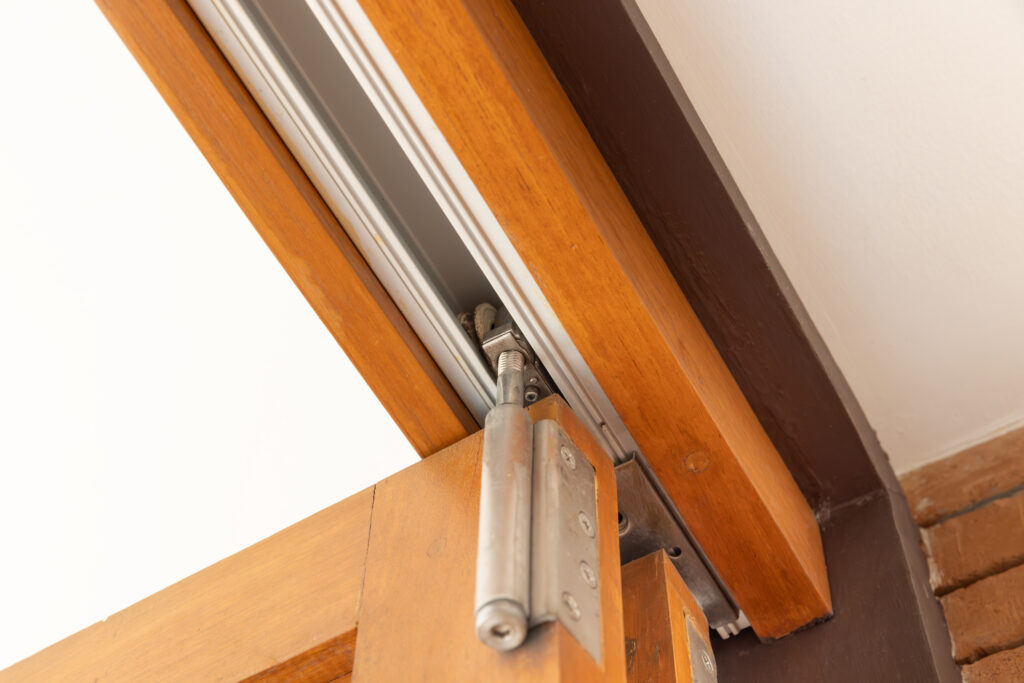
For maximum flexibility, movable systems allow a wall office partition to be repositioned or opened entirely. This is particularly useful in offices that regularly host meetings, training sessions or collaborative work.
Key Design Considerations
Acoustic Performance
Noise control is one of the main reasons businesses install a wall office partition. Acoustic-rated systems can significantly reduce sound transfer, making them ideal for meeting rooms or focused work areas.
Layout Planning
Before installing a wall office partition, it is important to consider how the space will be used day-to-day. Poor placement can restrict movement or reduce the effectiveness of the layout.
Aesthetic Integration
Partitions should complement the overall design of the office. Whether using glass, timber finishes or solid panels, the system should align with the company’s branding and interior style.
Future Flexibility
A key advantage of a wall office partition is adaptability. Choosing a modular system ensures that layouts can be adjusted as the business grows or changes.
Real-World Applications
A wall office partition is widely used across different industries:
- Corporate offices dividing departments
- Co-working spaces creating rentable offices
- Creative studios separating quiet and collaborative zones
For example, many offices in London are redesigning layouts to support hybrid working. Partition systems allow them to create flexible spaces that can shift between team collaboration and individual work.
Supporting Productivity and Wellbeing
Workplace design now places a strong emphasis on employee wellbeing. A wall office partition contributes to this by reducing distractions and providing more control over the working environment.
Research from organisations such as British Council for Offices shows that well-designed office spaces can improve both productivity and employee satisfaction.
By creating quieter, more organised environments, partitions help employees work more effectively throughout the day.
Common Mistakes to Avoid
When installing a wall office partition, businesses sometimes overlook key factors:
- Choosing style over functionality
- Ignoring acoustic performance
- Not planning for future changes
- Over-partitioning and making spaces feel cramped
Avoiding these mistakes ensures the system delivers long-term value.
Conclusion
A well-designed wall office partition is more than just a divider — it is a strategic tool for improving how a workspace operates. By combining flexibility, acoustic performance and thoughtful design, businesses can create environments that support both productivity and collaboration.
As modern workplaces continue to evolve, investing in adaptable solutions like a wall office partition is a practical and future-proof decision.
Frequently Asked Questions
Q1: Is a wall office partition suitable for small offices?
A: Yes, it helps maximise space by creating defined areas without major construction.
Q2: Can partitions be reconfigured later?
A: Many systems are modular and can be adjusted as needed.
Q3: Do office partitions reduce noise?
A: Acoustic systems are specifically designed to minimise sound transfer.
If you’re looking to modernise your workspace, a professionally installed office partition can help you create a more flexible and productive environment.
For expert advice and installation, contact A‑Door Additions today.
Phone: 01373 454577
Email: info@a-dooradditions.co.uk