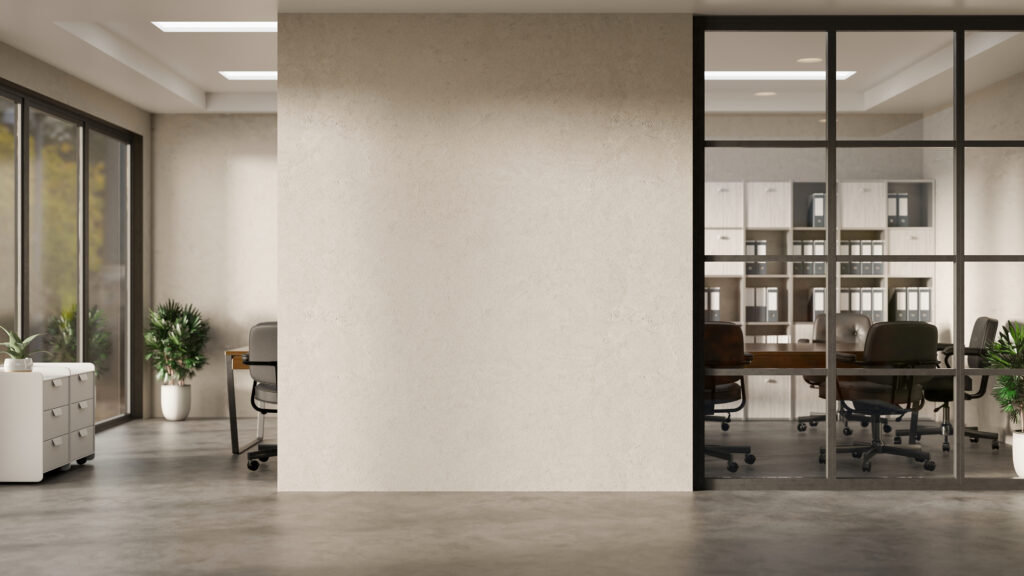
Making the best possible use of available space has become a major priority for businesses, schools, community venues and commercial property owners across the UK. Rising property costs, changing workplace expectations and more flexible operational requirements have all increased demand for interiors that can adapt quickly and efficiently.
Traditional fixed layouts often struggle to keep pace with these changing needs. Rooms designed for one purpose may sit underused for large portions of the day, while businesses can find themselves limited by rigid floorplans that are difficult and expensive to alter.
Movable partitions offer a practical solution to this problem.
By allowing spaces to expand, divide or reconfigure when needed, movable partition systems help organisations maximise the functionality of their buildings without requiring permanent structural alterations. Whether used in offices, schools, hotels or community venues, these systems create more adaptable environments that can support multiple uses within the same footprint.
What are movable partitions?
Movable partitions are flexible wall systems designed to divide spaces temporarily or semi-permanently.
Unlike traditional fixed walls, they can be opened, folded or repositioned depending on how a room needs to function at a particular time.
Some systems slide along tracks, while others fold or stack away neatly when not in use. This allows businesses and organisations to create larger open spaces or smaller enclosed areas as required.
Movable partitions are commonly used to:
- divide meeting rooms
- create temporary classrooms
- separate conference areas
- improve event space flexibility
- create private breakout zones
- support hybrid working layouts
Because these systems are designed around adaptability, they are especially valuable in buildings where space needs frequently change throughout the day or week.
Why is space efficiency becoming more important?
Commercial property costs continue to rise in many parts of the UK, making efficient use of existing premises increasingly important.
At the same time, workplace expectations have evolved significantly. Many organisations now require spaces that can support:
- collaborative working
- hybrid working
- training sessions
- video conferencing
- quiet focused work
- flexible occupancy levels
A fixed layout often cannot accommodate all of these needs effectively.
Movable partitions allow businesses to create multifunctional environments without constantly relying on external venues, office relocations or costly building alterations.
For example, a large conference room can be divided into multiple smaller meeting spaces during the day and reopened for presentations or events later on.
This flexibility allows organisations to get far more practical use from the same square footage.
How do movable partitions improve flexibility in offices?
Modern offices rarely operate with the same static structure they once did.
Departments expand, teams collaborate differently and occupancy levels can vary from day to day. Businesses increasingly need layouts that can respond quickly to operational changes.
Movable partitions help offices remain adaptable without requiring disruptive renovation work.
Some common office applications include:
Creating temporary meeting rooms
Large open-plan offices can quickly be divided into smaller private meeting areas when required.
Supporting hybrid working
As hybrid working becomes more common, businesses often need flexible layouts that can accommodate varying staff numbers.
Improving collaboration spaces
Partitions allow businesses to create temporary project areas or collaborative zones without committing to permanent walls.
Maximising underused space
Areas that may otherwise remain unused can be adapted for multiple functions throughout the working week.
Many businesses now view flexibility as essential rather than optional in workplace design.
According to The British Council for Offices, adaptable and agile workplace layouts are becoming increasingly important in modern office planning.
Movable partition systems align closely with this approach.
Which industries benefit most from movable partitions?
Although movable partitions are widely used in offices, they are equally valuable in many other sectors.
Educational environments
Schools, colleges and universities often need spaces that can accommodate different class sizes and activities throughout the day.
Movable partitions allow halls, classrooms and multi-purpose spaces to be reconfigured quickly and efficiently.
Hospitality venues
Hotels, conference centres and event venues frequently rely on movable partitions to host multiple events simultaneously.
Large function rooms can be divided into smaller spaces depending on booking requirements.
Community buildings
Community halls and social clubs often serve many different purposes, including meetings, fitness classes, performances and social events.
Flexible partition systems help maximise the usability of these venues.
Healthcare settings
Some healthcare facilities use movable systems to create adaptable consultation or treatment areas while maintaining operational flexibility.
Commercial and retail environments
Retailers and commercial operators may use movable walls to create seasonal layouts, promotional spaces or temporary divisions within larger premises.
This versatility is one of the main reasons movable partition systems remain so widely used across many industries.
Can movable partitions help reduce costs?
In many situations, movable partitions can help organisations avoid the expense of relocating or carrying out major structural work.
Instead of moving to larger premises, businesses may be able to improve the efficiency of their existing space by introducing more adaptable layouts.
Potential cost advantages include:
- reduced need for permanent construction
- less operational disruption
- more efficient space usage
- lower renovation costs
- improved long-term flexibility
For venues that host events or training sessions, movable partitions may also create opportunities to generate additional revenue by allowing multiple activities to take place simultaneously.
Because layouts can evolve over time, businesses are less likely to outgrow their spaces as quickly.
How do movable partitions compare with fixed walls?
Traditional walls provide permanent separation, but they also limit flexibility.
Movable partitions offer a different approach by allowing spaces to change according to operational needs.
Key differences include:
| Fixed Walls | Movable Partitions |
| Permanent layout | Flexible layout |
| Structural building work required | Minimal disruption |
| Difficult to alter later | Adaptable over time |
| Limited multifunctional use | Supports multiple room uses |
| More disruptive installation | Faster installation in many cases |
While fixed walls may still be appropriate in some situations, many businesses now prefer more adaptable systems that can evolve alongside changing operational requirements.
What types of movable partition systems are available?
Different environments require different levels of flexibility, acoustics and visual appearance.
Common movable partition options include:
Sliding partition systems
Panels slide along tracks to open or divide spaces.
Folding partitions
Sections fold together and stack away when not in use.
Acoustic movable walls
Designed to improve sound insulation between divided areas.
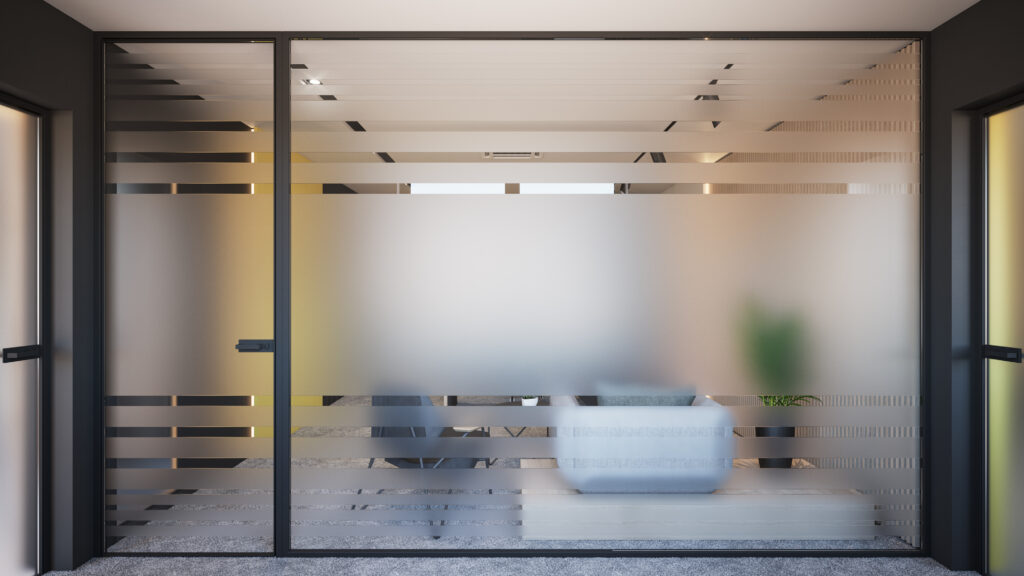
Glazed movable systems
Allow light flow while still providing separation.
Wooden partition systems
Often chosen where a warmer or more traditional appearance is preferred. Businesses seeking a more design-led aesthetic may also consider wooden partition systems for certain environments.
The right solution depends on how the space will be used and how frequently layouts are expected to change.
What should businesses consider before installation?
Before choosing a movable partition system, organisations should think carefully about both immediate requirements and future flexibility.
Important considerations include:
Frequency of use
Will the partitions be moved daily, weekly or only occasionally?
Acoustic performance
How important is sound insulation between divided spaces?
Storage requirements
Some folding or sliding systems require stacking space when opened.
Ease of operation
Certain systems are better suited to frequent reconfiguration than others.
Visual appearance
The partitions should complement the wider interior design and function of the building.
Professional guidance can help businesses select systems that balance practicality, appearance and long-term usability.
For organisations exploring adaptable space solutions, speaking with an experienced partition specialist can help identify the most suitable approach.
Frequently Asked Questions
Are movable partitions suitable for small spaces?
Yes. Movable partitions can work particularly well in smaller environments where flexible use of space is important.
Can movable partitions provide sound insulation?
Many systems are specifically designed with acoustic performance in mind and can significantly reduce sound transfer.
Are movable partitions difficult to operate?
Most modern systems are designed for straightforward operation, although complexity varies depending on the specification.
Do movable partitions require structural building work?
Installation requirements vary, but movable systems generally involve far less disruption than constructing permanent walls.
How long do movable partition systems last?
High-quality commercial systems are designed for long-term use and durability when properly maintained.
If you are looking to improve the flexibility and efficiency of your commercial space, A-Door Additions can help you explore practical partition solutions tailored to your environment.
Phone: 01935 847289
Email: sales@buildingadditions.co.uk
Find out more: A-Door Additions
Find us on BPI