Introduction
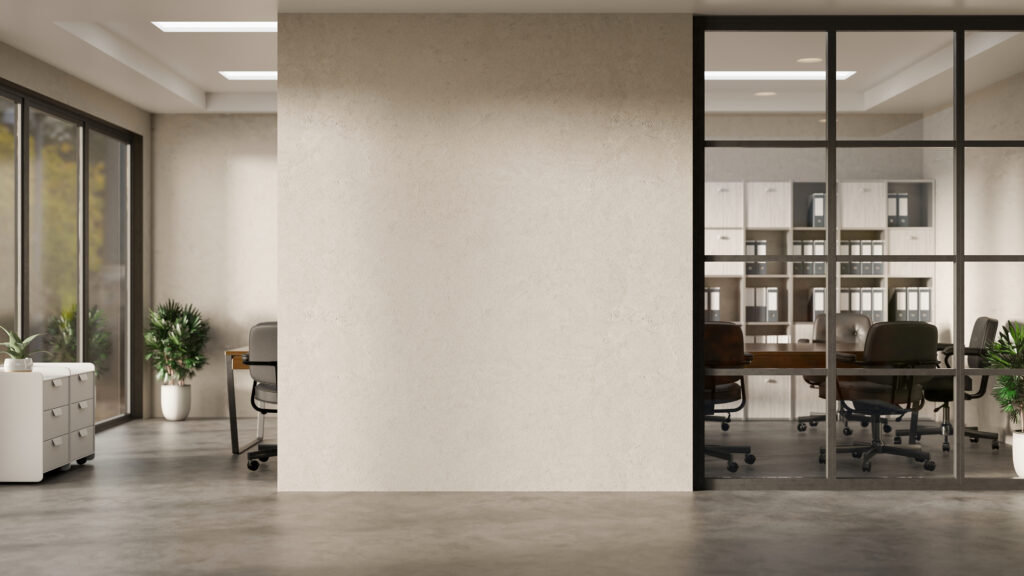
Modern workplaces are no longer static. Businesses across the UK are constantly evolving, whether due to growth, changing team structures or new ways of working. This is where movable walls provide a clear advantage. By allowing spaces to be reconfigured quickly and efficiently, movable walls give organisations the flexibility they need without committing to permanent structural changes.
From offices to educational settings, these systems are transforming how interiors are designed and used on a day-to-day basis.
What Are Movable Walls?
Movable walls are flexible partition systems made up of individual panels that can be opened, closed or repositioned to divide or expand spaces. Unlike fixed partitions, they are designed for regular use and can be adjusted with minimal effort.
They are commonly installed in:
- Offices and corporate environments
- Schools and universities
- Conference and event venues
- Community halls and public buildings
A well-designed moveable wall system allows a single space to serve multiple purposes, making it a practical solution for organisations that need adaptability.
Why Flexibility Matters in Modern Workspaces
The way businesses operate has changed significantly in recent years. Hybrid working, collaborative environments and multi-functional spaces are now the norm. As a result, fixed layouts are often no longer suitable.
Moveable walls help address this by allowing spaces to:
- Expand for group meetings or events
- Divide into smaller, private areas
- Adapt quickly to changing requirements
For example, many companies in Leeds are using flexible layouts to support both collaborative and individual working styles within the same office.
Key Benefits of Movable Walls
Maximum Space Efficiency
With movable walls, a single area can be used in multiple ways throughout the day. This reduces the need for additional rooms and makes better use of available space.
Cost-Effective Adaptability
Rather than investing in permanent construction, businesses can use movable walls to achieve similar results at a lower cost. This also avoids future renovation expenses if layouts need to change.
Minimal Disruption
Installing moveable walls is typically quicker and less disruptive than building permanent walls. This is particularly important for businesses that need to maintain operations during installation.
Professional Appearance
Modern systems are designed to look sleek and professional, with a range of finishes available to suit different interiors.
Practical Applications of Movable Walls
Offices and Meeting Spaces
In offices, movable walls allow meeting rooms to be expanded or reduced depending on the number of people involved. This makes it easier to manage space efficiently without having unused areas.
Educational Environments
Schools and colleges often use moveable walls to create flexible classrooms or divide large halls into smaller teaching spaces.
Conference and Event Venues
Event venues benefit greatly from moveable walls, as they allow large spaces to be divided into multiple rooms for different events or combined for larger gatherings.
Community and Public Buildings
Community centres and halls frequently rely on movable walls to accommodate a variety of activities, from meetings to social events.
Acoustic Performance and Privacy
One common concern with flexible systems is noise control. However, many movable walls are designed with acoustic properties that help reduce sound transmission between spaces.
Guidance from organisations such as Institute of Acoustics highlights the importance of selecting partition systems with appropriate sound ratings, particularly in offices and educational settings.
Design Considerations When Choosing Movable Walls
Ease of Operation
A good moveable wall system should be easy to operate, allowing users to open and close panels without difficulty.
Storage and Space Planning
Panels need to be stored when not in use, so it is important to consider where they will be positioned when the wall is fully opened.
Finish and Appearance
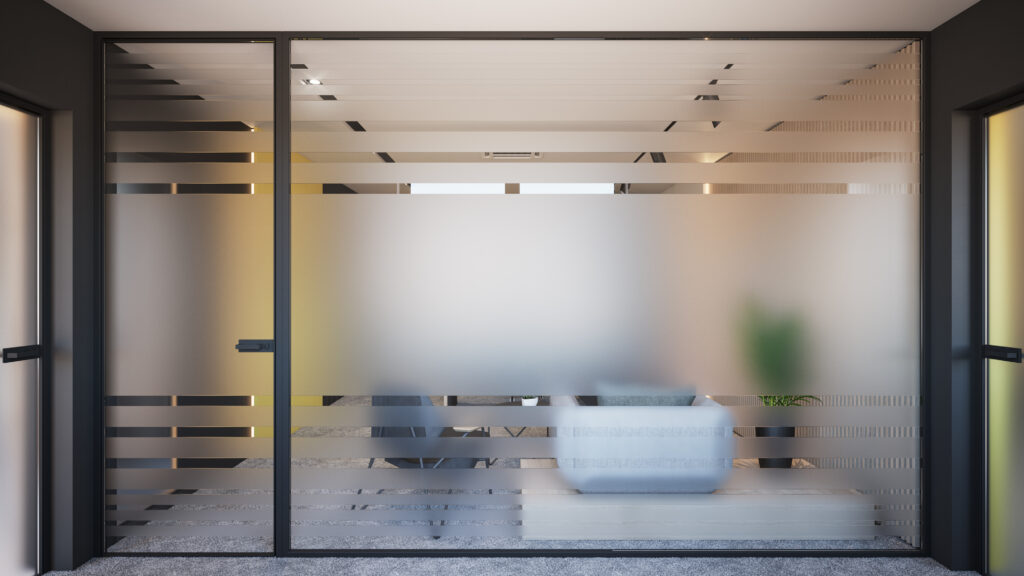
From solid panels to glazed options, movable walls can be customised to match the overall design of the space.
Frequency of Use
If the system will be used frequently, durability and ease of maintenance become key factors.
Potential Limitations
While moveable walls offer many advantages, there are a few considerations:
- They may not provide the same level of soundproofing as permanent walls
- Initial investment can be higher than basic partition systems
- Proper planning is required to maximise their effectiveness
Despite this, the long-term benefits of flexibility and adaptability often outweigh these limitations.
Conclusion
Moveable walls are a powerful solution for businesses looking to create flexible, efficient and future-proof spaces. By allowing layouts to change quickly and easily, they support modern ways of working and help organisations make the most of their available space.
As workplace demands continue to evolve, investing in movable walls can provide the adaptability needed to stay ahead.
Frequently Asked Questions
Q1: Are movable walls difficult to operate?
A: No, most systems are designed for smooth and simple operation.
Q2: Can movable walls be used daily?
A: Yes, they are built for regular use in commercial environments.
Q3: Do movable walls provide sound insulation?
A: Many systems include acoustic features to reduce noise between spaces.
If you need a flexible way to manage your space, professionally installed movable walls can provide a practical and long-lasting solution tailored to your requirements.
For expert advice and installation, contact A‑Door Additions today.
Phone: 01373 454577
Email: info@a-dooradditions.co.uk