Introduction
When dividing interior space, it is not just about layout — performance matters too. An insulated partition wall provides more than simple separation, offering improved thermal efficiency, sound control and overall comfort.
For both commercial and residential environments across the UK, choosing the right insulated partition wall can make a noticeable difference in how a space feels and functions. Whether you are upgrading an office, refurbishing a property or designing a new interior, understanding your options is essential.
What Is an Insulated Partition Wall?
An insulated partition wall is a non-structural wall system that includes insulating materials within its construction. These materials are designed to reduce heat transfer and improve acoustic performance.
They are commonly used in:
- Offices and commercial buildings
- Industrial and warehouse environments
- Residential properties
- Educational and healthcare settings
By incorporating insulation, an insulated partition wall goes beyond basic space division to enhance environmental performance.
Why Choose an Insulated Partition Wall?
Thermal Efficiency
One of the primary benefits of an insulated partition wall is improved temperature control. By reducing heat transfer between areas, it helps maintain consistent indoor conditions and can contribute to lower energy costs.
Acoustic Performance
In addition to thermal benefits, an insulated partition wall can significantly reduce sound transmission. This is particularly valuable in offices, meeting rooms and shared spaces.
Enhanced Comfort
By controlling both temperature and noise, an insulated partition creates a more comfortable environment for occupants.
Energy Efficiency and Sustainability
Improved insulation can help reduce reliance on heating and cooling systems, supporting energy efficiency goals and sustainability targets.
Types of Insulated Partition Systems
Solid Insulated Panels
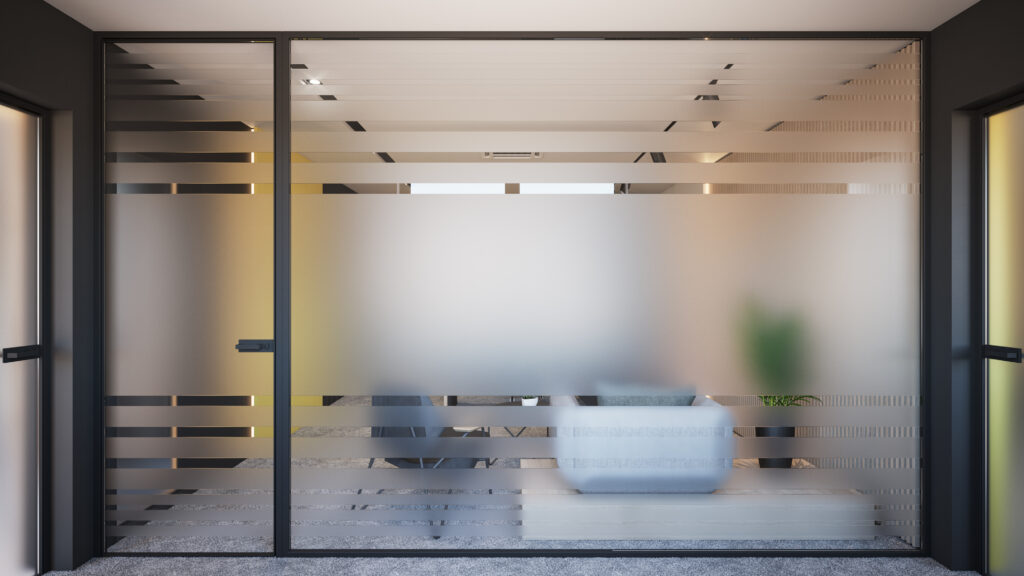
These systems provide strong separation with built-in insulation, making them ideal for areas requiring both privacy and performance.
Modular Partition Systems
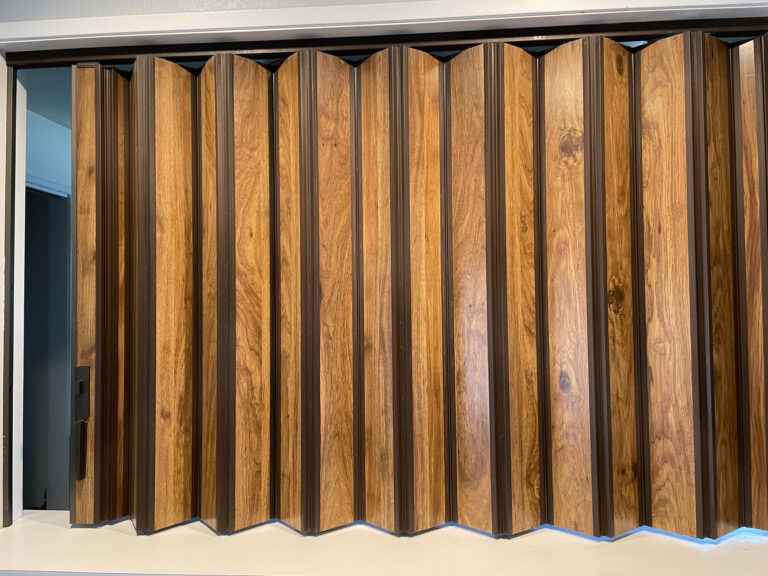
Modular insulated partition systems offer flexibility, allowing layouts to be adjusted while maintaining thermal and acoustic benefits.
Composite Panel Systems
Often used in industrial settings, composite panels combine durability with high insulation performance.
Where Insulated Partitions Work Best
Offices and Commercial Spaces
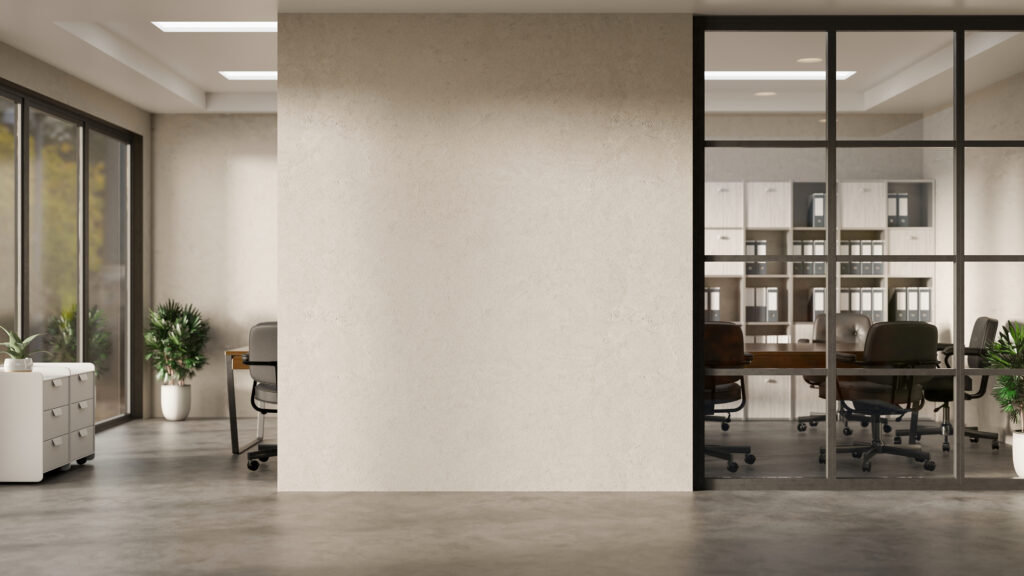
In offices, an insulated partition wall helps create comfortable working conditions by managing both noise and temperature. This is especially important in meeting rooms and private offices.
Industrial and Warehouse Environments
Large industrial spaces often require controlled environments. An insulated partition can be used to create temperature-controlled areas within a larger facility.
Residential Properties
Homeowners are increasingly using insulated partitions to improve comfort in open-plan homes, particularly when creating home offices or dividing living areas.
Educational and Healthcare Settings
Schools and healthcare facilities benefit from the improved acoustic and thermal performance provided by an insulated partition.
For example, developments in Nottingham have incorporated insulated systems to improve energy efficiency in mixed-use buildings.
Key Factors to Consider
Insulation Performance
Different materials offer varying levels of thermal and acoustic insulation. It is important to choose a system that meets your specific requirements.
Thickness and Construction
The thickness of an insulated partition can affect both performance and available space, so this needs to be carefully balanced.
Installation Requirements
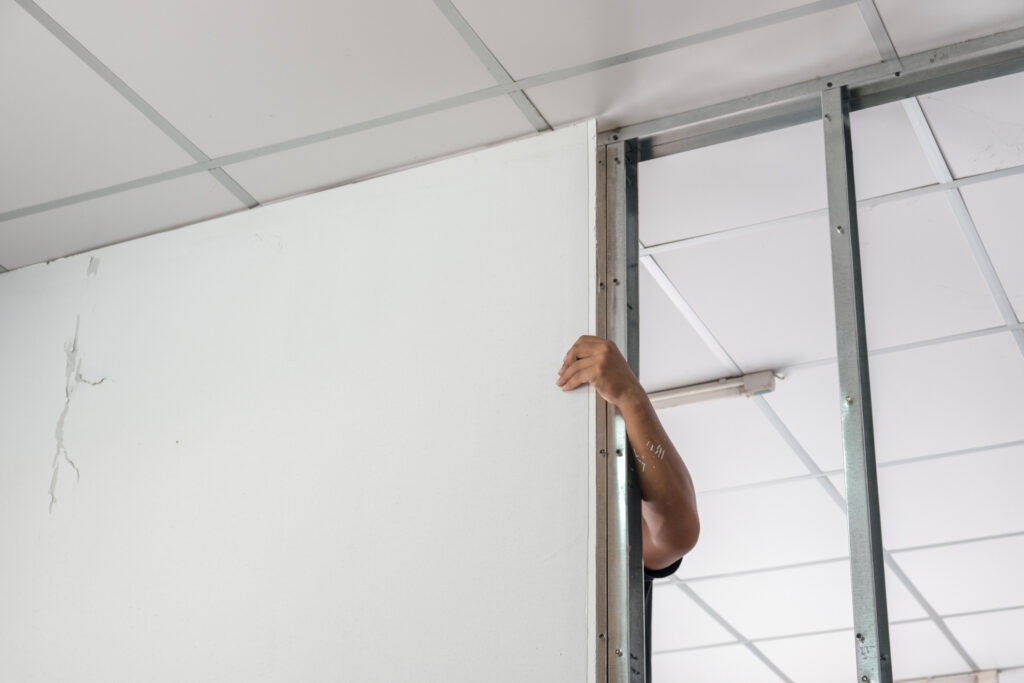
Some systems are quicker to install than others. Modular options can reduce disruption and allow for faster project completion.
Compliance and Standards
UK building regulations may influence the specification of an insulated partition wall, particularly in commercial or public buildings.
Guidance from organisations such as Energy Saving Trust highlights the importance of insulation in improving energy efficiency and reducing environmental impact.
Benefits for Long-Term Use
Investing in an insulated partition wall can provide long-term advantages:
- Reduced energy costs
- Improved comfort for occupants
- Greater flexibility in space usage
- Enhanced property value
These benefits make it a practical choice for both short-term improvements and long-term planning.
Potential Limitations
While an insulated partition wall offers many advantages, it is important to consider:
- Higher initial cost compared to basic partitions
- Increased thickness may reduce usable space slightly
- Performance depends on correct installation
However, these factors are often outweighed by the improvements in efficiency and comfort.
Conclusion
Choosing the right insulated partition is about more than dividing space — it is about creating an environment that performs efficiently and supports the needs of its users. With the right system, you can achieve better temperature control, improved acoustics and greater overall comfort.
As energy efficiency and flexible design become increasingly important, an insulated partition wall stands out as a smart, future-focused solution.
Frequently Asked Questions
Q1: Does an insulated wall reduce energy bills?
A: Yes, improved insulation can help reduce heating and cooling costs.
Q2: Are insulated walls suitable for offices?
A: Yes, they are ideal for improving comfort and reducing noise in commercial environments.
Q3: Can insulated walls be customised?
A: Most systems can be tailored to meet specific performance and design requirements.
If you’re looking to improve comfort and efficiency in your space, a professionally installed insulated partition can provide a practical and long-lasting solution.
For expert advice and installation, contact A‑Door Additions today.
Phone: 01373 454577
Email: info@a-dooradditions.co.uk