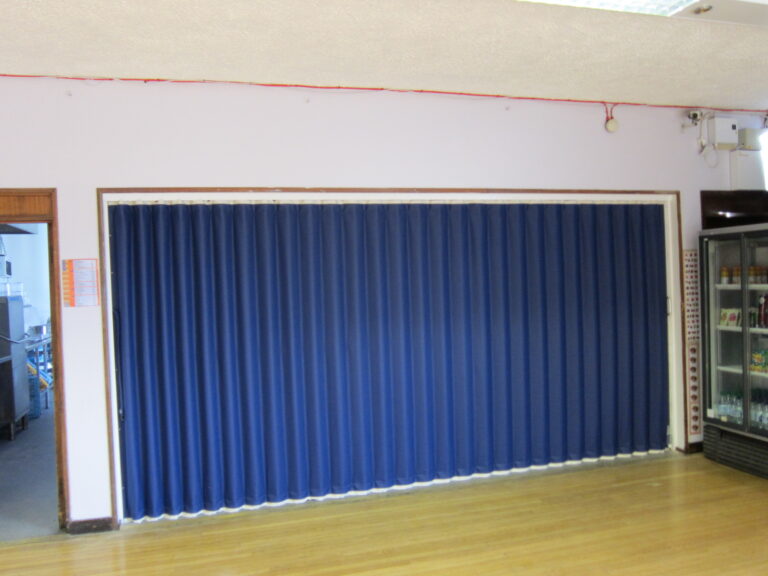
Introduction
Noise is one of the most common issues in modern interiors, particularly in open-plan offices, shared environments and multi-purpose spaces. An acoustic room divider offers a practical solution by helping to control sound while still allowing flexibility in how a space is used.
As businesses and organisations across the UK move towards more adaptable layouts, the need for effective noise management has become increasingly important. An acoustic room divider allows you to create quieter, more functional areas without the need for permanent walls.
What Is an Acoustic Room Divider?
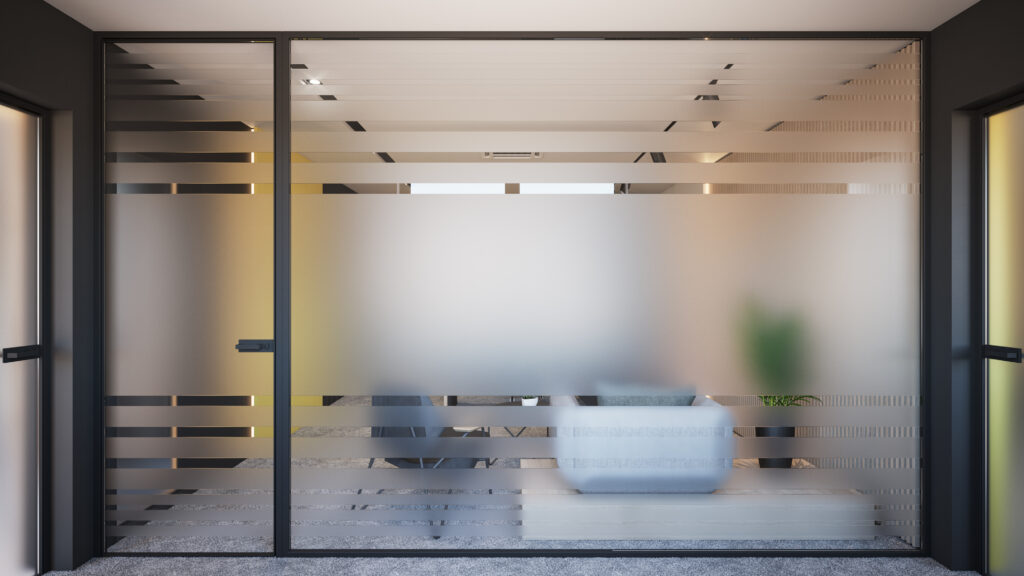
An acoustic room divider is a partition system specifically designed to reduce sound transmission between spaces. Unlike standard dividers, these systems use materials and construction methods that absorb or block noise, improving overall acoustic performance.
They are commonly used in:
- Offices and co-working spaces
- Schools and universities
- Conference and meeting rooms
- Community halls and public buildings
A well-specified acoustic room divider can make a noticeable difference to comfort and usability in busy environments.
Why Noise Control Matters
Excessive noise can have a direct impact on productivity, concentration and wellbeing. In workplaces, it can lead to distractions and reduced efficiency, while in educational settings it can affect learning outcomes.
An acoustic room divider helps to:
- Reduce background noise
- Improve speech clarity
- Create quieter, more focused environments
- Enhance overall comfort
For example, many organisations in Reading are introducing acoustic solutions to support hybrid working and shared office use.
How Acoustic Room Dividers Work
An acoustic room divider is designed to manage sound in two key ways:
Sound Absorption
Materials within the divider absorb sound waves, reducing echo and reverberation within a space.
Sound Blocking
The structure of the divider helps prevent sound from travelling between areas, creating clearer separation.
The effectiveness of an acoustic room divider is often measured using acoustic ratings, which indicate how well the system reduces noise.
Types of Acoustic Room Divider Systems
Movable Acoustic Partitions
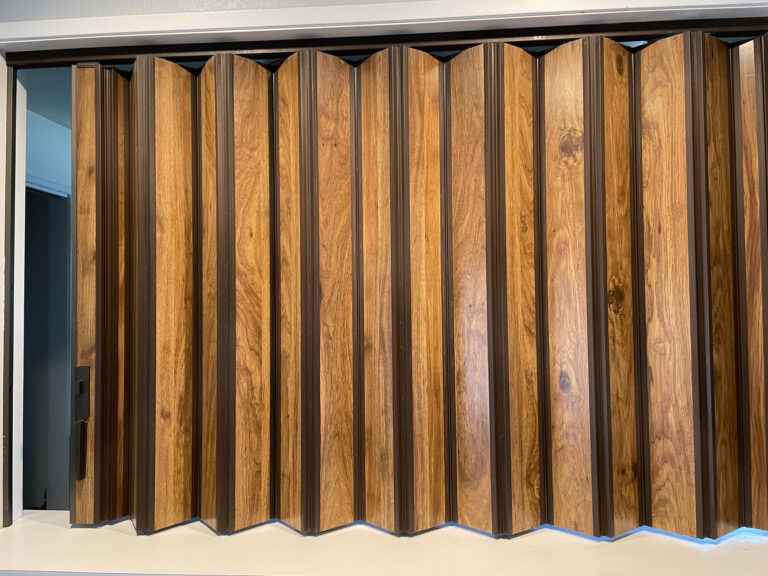
These systems can be opened or closed as needed, making them ideal for flexible environments. A movable acoustic room divider allows spaces to be reconfigured while maintaining sound control.
Folding Acoustic Dividers
Folding systems consist of panels that can be stacked away when not in use. They are commonly used in larger spaces such as halls or conference rooms.
Freestanding Acoustic Dividers
Freestanding options provide a quick and flexible solution without installation. While they may offer slightly lower acoustic performance, they are useful for temporary setups.
Where Acoustic Room Dividers Work Best
Offices and Workspaces
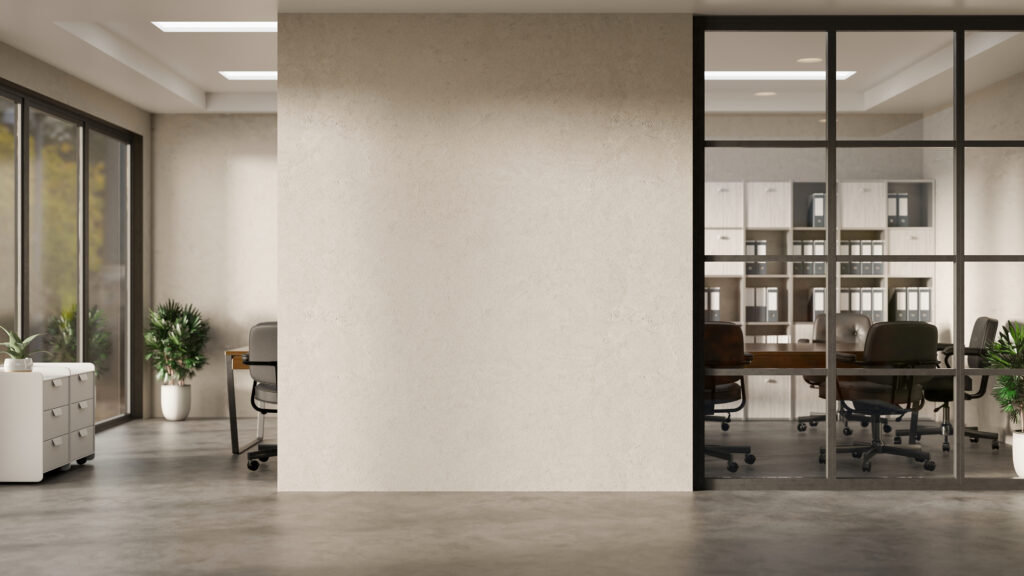
In offices, an acoustic room divider can create quiet zones for focused work or separate meeting areas from open-plan spaces.
Educational Settings
Schools and colleges use acoustic dividers to manage noise levels in classrooms and shared spaces, helping to improve learning conditions.
Conference and Event Spaces
Large venues often rely on acoustic room divider systems to host multiple events simultaneously without sound interference.
Community and Public Buildings
Community centres and halls benefit from the flexibility of an acoustic room divider, allowing them to accommodate different activities at the same time.
Key Benefits of Acoustic Room Dividers
Improved Productivity
Reducing noise helps employees concentrate, leading to better performance and fewer distractions.
Enhanced Privacy
An acoustic room divider provides a level of sound separation that supports confidential conversations and meetings.
Flexible Space Management
Spaces can be adapted quickly without compromising acoustic comfort.
Better User Experience
Whether in an office, school or public venue, controlling noise improves the overall experience for users.
Design Considerations
Acoustic Rating
Choosing the right acoustic performance level is essential. Higher-rated systems provide better sound insulation.
Ease of Use
An acoustic divider should be easy to operate, particularly in environments where it will be used frequently.
Aesthetic Integration
Modern systems are available in a range of finishes, allowing them to blend seamlessly with existing interiors.
Durability
In high-use environments, durability is key to ensuring long-term performance.
Guidance from organisations such as Association of Noise Consultants highlights the importance of selecting appropriate acoustic solutions for different environments.
Potential Limitations
While an acoustic divider offers significant benefits, it is important to consider:
- It may not achieve complete soundproofing
- Performance depends on correct specification and installation
- Costs can vary depending on acoustic requirements
Despite these factors, the improvement in noise control is often substantial.
Conclusion
An acoustic room divider is an effective way to manage noise while maintaining flexibility in how a space is used. By reducing distractions and improving sound quality, it helps create environments that are more comfortable, productive and adaptable.
As demand for flexible interiors continues to grow, investing in an acoustic room divider is a practical step towards better space management and improved user experience.
Frequently Asked Questions
Q1: Do acoustic dividers completely block sound?
A: No system is completely soundproof, but high-quality dividers significantly reduce noise levels.
Q2: Are acoustic dividers suitable for offices?
A: Yes, they are widely used to create quieter work areas and meeting spaces.
Q3: Can acoustic dividers be moved easily?
A: Many systems are designed to be movable or reconfigurable for flexibility.
If you need to reduce noise and improve usability in your space, a professionally installed acoustic divider can provide a flexible and effective solution.
For expert advice and installation, contact A‑Door Additions today.
Phone: 01373 454577
Email: info@a-dooradditions.co.uk