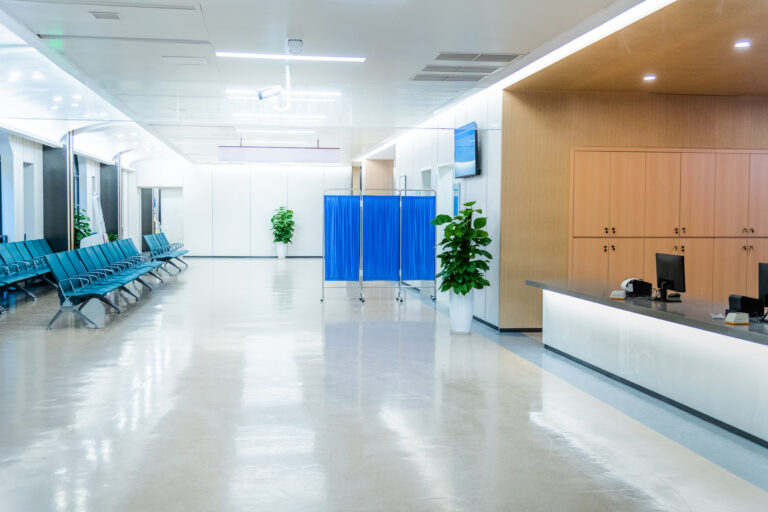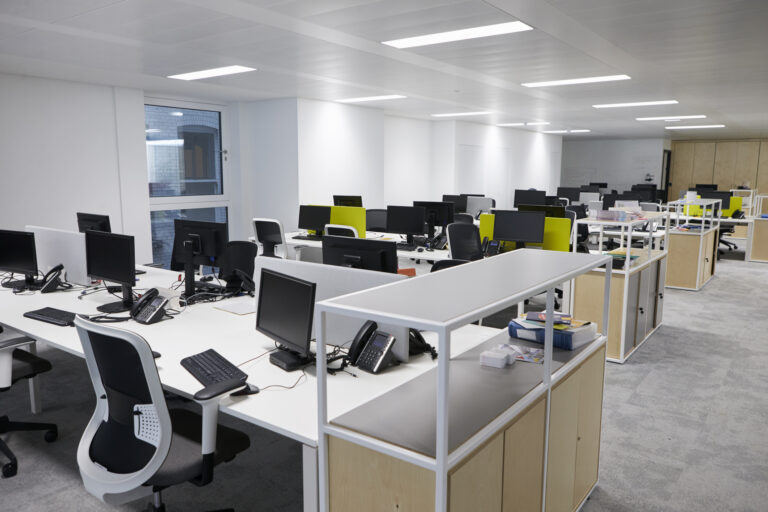
Healthcare buildings are among the most demanding environments when it comes to interior design and space planning. Hospitals, clinics and medical centres must balance strict hygiene requirements, patient privacy, staff efficiency and ever-changing operational needs. Medical partition systems play a vital role in achieving this balance by providing adaptable, compliant and practical interior layouts.
Unlike standard office partitions, medical partition systems are specifically designed for healthcare settings. They help to create functional spaces that support clinical workflows while maintaining the highest standards of safety and cleanliness, while also allowing facilities to reconfigure rooms quickly in response to patient volumes, new equipment installations or evolving medical procedures.
Why Medical Partition Systems Are So Important
Healthcare facilities rarely remain static. Departments expand, patient numbers fluctuate and new services are introduced on a regular basis. As a result, internal layouts must be able to rapidly evolve without undertaking any major structural alterations.
Medical partitions allow organisations to:
Create new treatment and consultation rooms
Adapt spaces for different medical functions
Improve patient privacy and confidentiality
Control noise between clinical areas
Maintain high hygiene standards
Reconfigure layouts as needs change
Hygiene and Cleanability
One of the most critical considerations for medical partition systems is hygiene. All materials used within healthcare environments must support effective cleaning regimes and infection control procedures.
Smooth, wipe-clean surfaces
Antimicrobial finishes
Minimal joints and seams
Durable, non-porous materials
Resistance to common cleaning chemicals
Acoustic Performance and Patient Privacy
Noise control is a major issue in busy hospitals and clinics. Conversations between staff and patients often involve sensitive information, making acoustic privacy a key requirement.
Flexibility and Future Proofing
Healthcare demands change rapidly. A department that functions perfectly today may need to be completely reorganised in a few years’ time. For this reason, flexibility is one of the most valuable benefits of medical partition systems.
Compliance with Healthcare Standards
Any alterations made within a medical environment must comply with strict regulations and building standards. Professional partition specialists ensure full compliance from design through to completion.
Speed of Installation
Medical partition systems can be installed rapidly with minimal disruption, allowing departments to remain operational during improvement works.
Typical Applications of Medical Partition Systems
GP surgeries and consultation rooms
Hospital wards and treatment bays
Dental practices
Physiotherapy and rehabilitation clinics
Pharmacies and dispensaries
Administrative offices within medical buildings
Choosing the Right Partner
At A-Door Additions, we provide bespoke medical partitions designed specifically for healthcare environments. Our experienced team works closely with clients to create layouts that are practical, compliant and future-proof.
Conclusion
Effective space planning is essential in every healthcare facility. Medical partition systems provide a flexible, hygienic and cost-effective way to create functional clinical environments that can adapt as staff and patient needs and requirements change.
For expert guidance on medical partition systems tailored to your facility, contact A‑Door Additions today.
Phone: 01373 454577
Email: info@a-dooradditions.co.uk
Frequently Asked Questions
Q1: Are medical partition systems suitable for all types of healthcare facilities?
A1: Yes. They can be used in hospitals, GP surgeries, dental practices, clinics and many other medical environments to create flexible and compliant spaces.
Q2: Can medical partition systems be reconfigured in the future?
A2: Absolutely. One of their main advantages is that they can be adapted, relocated or extended as your operational needs change.
Q3: Do medical partition systems meet healthcare hygiene standards?
A3: When specified correctly, they are designed with wipe-clean, durable and hygienic materials that fully support infection control requirements.