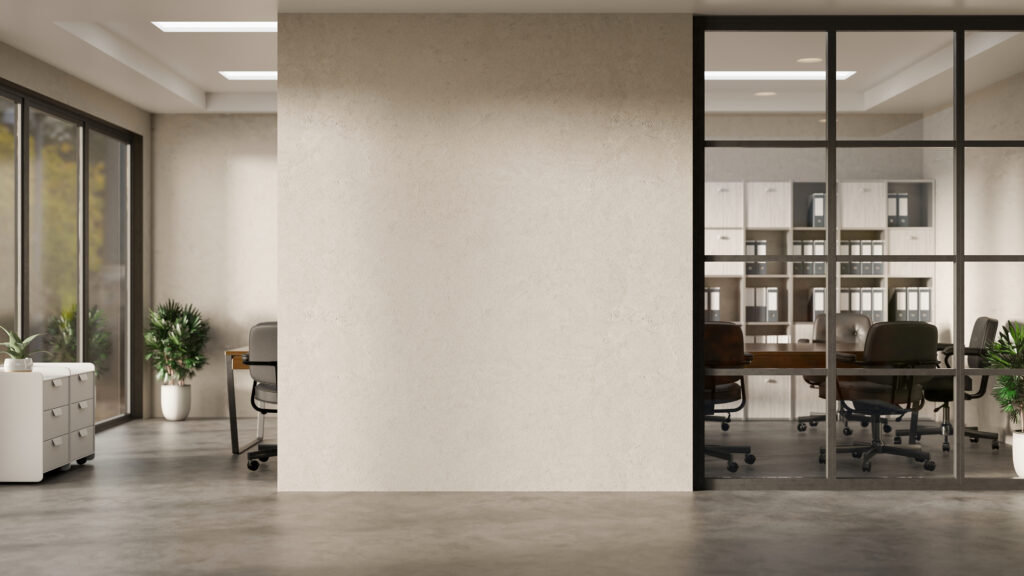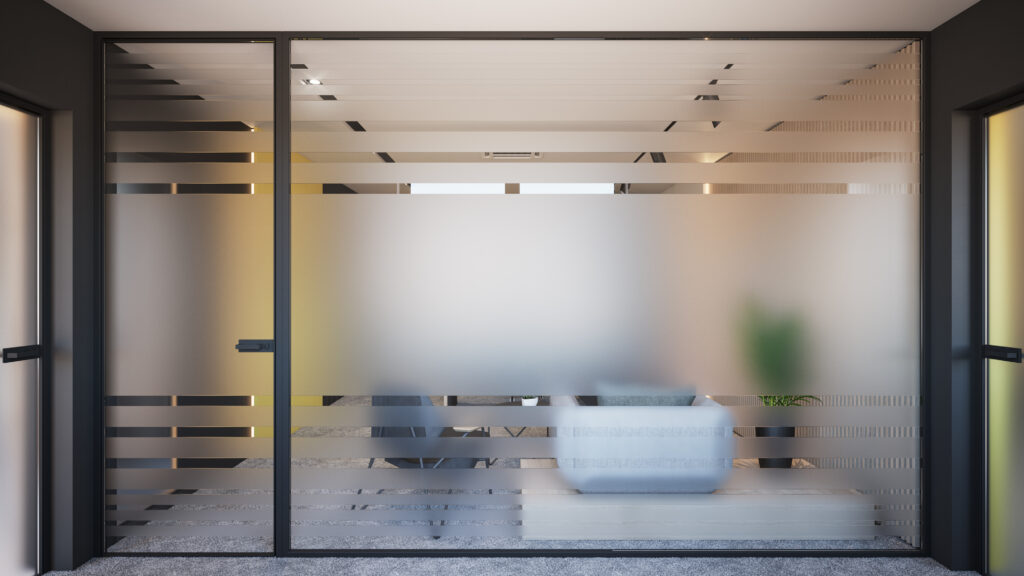
Flexibility is no longer a luxury in modern buildings — it is a necessity. Whether in education, community venues or conference facilities, space must adapt quickly to different activities. Moveable Walls provide a practical and professional solution for dividing large areas into smaller, functional spaces without permanent construction.
Why Moveable Walls Work in Multi-Use Buildings
Large open halls offer versatility, but they can also limit scheduling and create acoustic challenges. Moveable Walls allow a single large space to be divided into multiple rooms within minutes. In schools, this could mean separating a sports hall into teaching zones. In conference centres, it allows simultaneous breakout sessions.
This level of adaptability helps organisations make better use of the space they already have. Instead of needing multiple dedicated rooms, a single large hall can serve several purposes throughout the day. For example, a hall used for assemblies in the morning may be divided into smaller activity areas later in the day. Moveable Walls enable these transitions quickly, allowing facilities to operate more efficiently and accommodate a wider range of users.
Educational Settings
Education environments benefit significantly from Moveable Walls. Schools often need to transform assembly halls into exam areas, classrooms or activity spaces. Typical applications include:
-
Dividing sports halls for simultaneous PE lessons
-
Creating temporary classrooms
-
Separating exam zones
-
Forming meeting spaces for staff or governors
In addition to improving flexibility, Moveable Walls help schools manage noise levels between different activities. Acoustic-rated systems can significantly reduce sound transfer, allowing multiple lessons or events to take place at the same time without disruption. This makes them particularly useful in large multi-purpose halls where traditional room separation is limited.
Community Halls and Public Venues
Village halls, churches and civic centres frequently host a wide range of activities. Installing Moveable Walls increases booking flexibility, improves privacy between groups and helps manage noise more effectively.
For example, a community hall might host a fitness class on one side while a local meeting or craft group takes place on the other. Without effective room division, these activities could easily interfere with one another. Moveable Walls allow venues to host multiple events simultaneously, increasing the usability and value of the space for local communities.
They also allow venues to respond to changing needs over time. As community activities evolve, room layouts can be adjusted without expensive building alterations.
Conference Centres and Event Spaces
In commercial conference venues, flexibility directly impacts profitability. Moveable Walls allow operators to create breakout rooms, training suites or exhibition areas within a larger space, increasing usable configurations for clients.
Event organisers often require different room sizes depending on the format of the event. A single conference hall might need to accommodate keynote presentations, smaller workshops and networking sessions throughout the day. Moveable Walls allow staff to reconfigure spaces quickly, ensuring venues can meet a variety of client requirements without complex logistical changes.
Key Considerations
Before installation, consider:
-
Structural support for track systems
-
Required acoustic rating
-
Frequency of movement
-
Ease of operation
-
Panel storage configuration
It is also important to consider how frequently the walls will be moved and who will operate them. Some systems are manually operated, while others can include semi-automatic or fully automated mechanisms for larger installations.
Moveable Walls vs Fixed Construction
Traditional fixed walls reduce flexibility and involve greater disruption during installation. Moveable Walls offer a faster, less invasive alternative while still delivering strong acoustic and visual performance.
Unlike permanent walls, they allow spaces to evolve alongside the needs of the building. This means organisations can maximise the functionality of existing areas while maintaining the ability to adapt layouts in the future without major construction work.
Conclusion
Schools, halls and conference centres are able to maximise space efficiency while supporting flexible scheduling and improved user experience.
For expert advice and installation of concertina hall partitions, contact A‑Door Additions today.
Phone: 01373 454577
Email: info@a-dooradditions.co.uk
Q1: Are they suitable for schools?
A1: Yes. Many educational facilities use Moveable Walls to create adaptable teaching and activity spaces while maintaining acoustic control.
Q2: Do they provide good sound insulation?
A2: Acoustic-rated systems significantly reduce sound transfer when properly specified and installed.
Q3: Can they be customised?
A3: Yes. Finishes, panel sizes and acoustic performance levels can be tailored to suit the building and intended use.