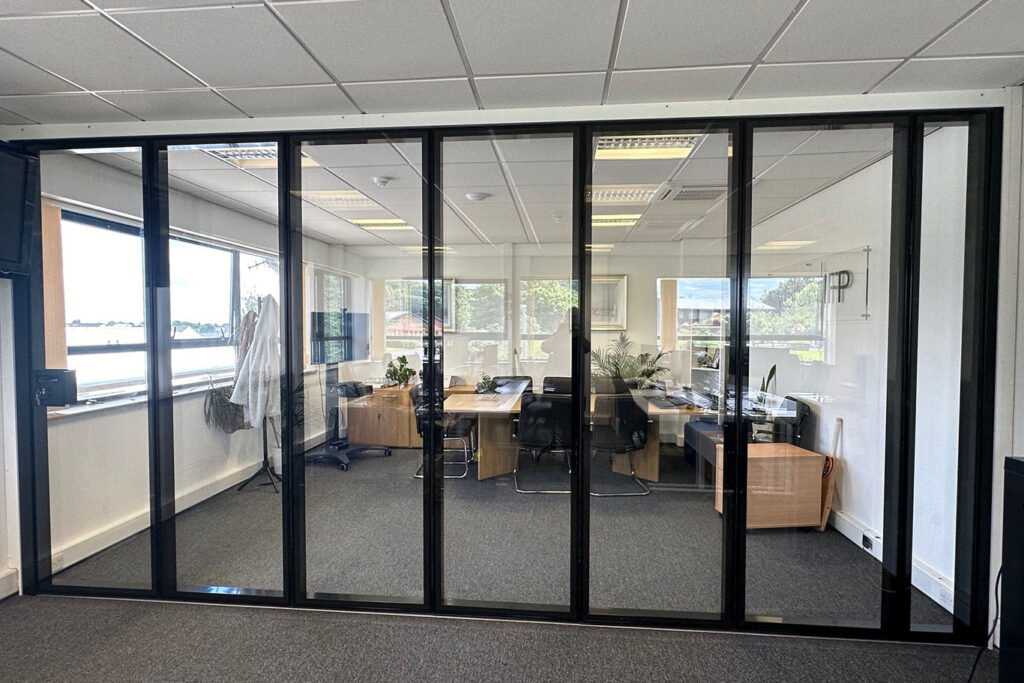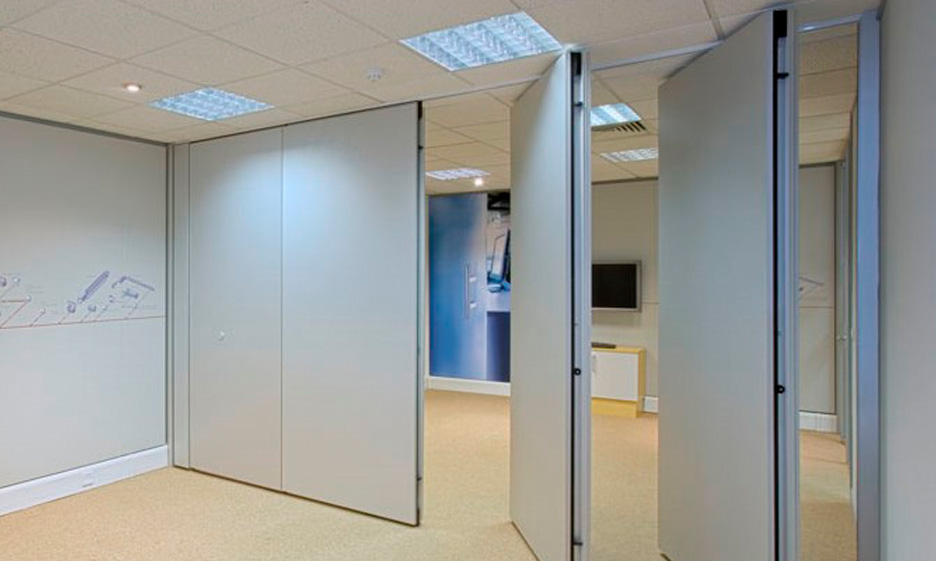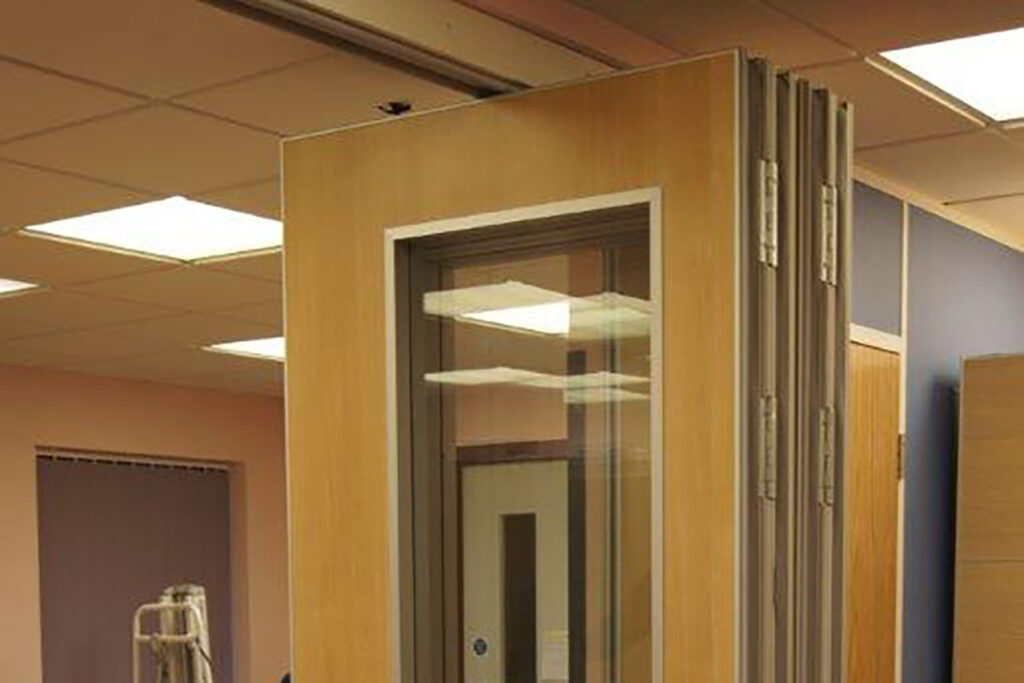
Community buildings across the UK are under increasing pressure to do more with less space. Whether it’s a village hall in Somerset, a church meeting room or a multi‑use sports pavilion, flexibility is essential. Installing a Folding Wall can transform how these spaces operate, allowing one room to serve multiple purposes throughout the day.
Why Flexibility Matters in Community Buildings
Many community venues were originally designed as single large halls. While this works for events such as wedding receptions or community fairs, it can be inefficient for smaller group activities.
A well‑designed Folding Wall allows a large hall to be divided quickly into two or more functional spaces. This can:
Increase room hire income
Allow simultaneous bookings
Provide privacy for smaller groups
Improve separation between activities
When Your Booking Schedule Is Limited by Layout
One of the clearest signs you need a Folding Wall is when your booking potential is restricted by a fixed layout. If you regularly turn away smaller groups because the main hall is too large or impractical, dividing the space can make the venue far more usable day to day.
Typical examples include:
After‑school clubs and youth groups
Community workshops and classes
Local business meetings
Fitness and wellbeing sessions
When Noise Is Causing Disruption
Noise transfer is a common issue in multi‑use buildings. If activities clash due to sound spill, an appropriately specified Folding Wall with acoustic performance in mind can significantly reduce disruption. This makes it easier to run quiet meetings alongside louder activities, such as children’s groups or music rehearsals.
When You’re Renovating or Modernising
Many community buildings undergo phased refurbishments to remain compliant and appealing. If you are already updating lighting, flooring or heating systems, it is often a sensible time to consider a Folding Wall. Installing during refurbishment can be more efficient, as access and structural considerations can be addressed as part of the wider works.
When You Want to Future‑Proof the Space
Community needs evolve. A building that once served mainly as a meeting hall may later host training sessions, clinics or co‑working. A Folding Wall creates built‑in adaptability, so the space can be reconfigured without major structural changes, helping the venue stay relevant and financially sustainable.
Key Considerations Before Installation
Before proceeding, it helps to think about how the system will be used in practice. Consider:
The ceiling structure and how the track will be supported
The level of acoustic performance required
How often the wall will be moved and who will operate it
Where the panels will stack when opened
Choosing the Right Provider
A‑Door Additions supplies and installs Folding Wall systems designed around the building and the way the venue is used. A proper survey and specification approach helps ensure smooth operation, a professional finish and performance that stands up to regular use.
Conclusion
A professionally installed Folding Wall can unlock the full potential of a community building, improving flexibility, supporting more bookings and enhancing the experience for everyone using the space.
For expert advice and installation of concertina hall partitions, contact A‑Door Additions today.
Phone: 01373 454577
Email: info@a-dooradditions.co.uk
Frequently Asked Questions
Q1: How long does installation take?
A1: Timescales vary by size and specification, but many Folding Wall installations can be completed within a few days once the system is ready to fit.
Q2: Can a Folding Wall provide good sound insulation?
A2: Yes. Acoustic‑rated systems can significantly reduce sound transfer when correctly specified and professionally installed.
Q3: Is planning permission required?
A3: Internal Folding Wall installations typically do not require planning permission, although listed buildings may require additional approvals depending on the work involved.