As work environments become increasingly dynamic, UK businesses are prioritising flexible and efficient ways to structure their interiors. Commercial partition walls have emerged as one of the most effective solutions for creating defined, functional work zones without the need for major construction. From improving acoustics to enhancing privacy and maximising space, commercial partition walls provide a cost-effective, adaptable option for offices, retail units, educational buildings and more. This guide explores how they work, their benefits and the key considerations when choosing the right system for your workspace.
What Are Commercial Partition Walls?
Commercial partition walls are non-load-bearing internal wall systems designed to divide large spaces into smaller, more functional areas. They can be fixed, movable or modular, depending on the level of flexibility required.
These systems are commonly used in:
- Offices
- Meeting rooms
- Retail premises
- Schools and universities
- Public buildings
- Healthcare environments
With a wide range of materials and acoustic options available, commercial partitions can be tailored to suit both the aesthetic and operational needs of any business.
Benefits of Commercial Partition Walls
1. Improved Space Efficiency
Commercial partition walls make it easy to reconfigure interiors, enabling businesses to:
- Create additional private offices
- Add meeting rooms
- Divide departments
- Convert large areas into multi-purpose spaces
This allows a workspace to evolve without costly structural renovations.
2. Better Privacy and Acoustic Control
In busy or open-plan environments, noise can disrupt productivity. Many commercial partition walls are designed with acoustic performance in mind and can include:
- Insulated cores
- Acoustic plasterboard
- Double-layer construction
- Sealed joints
These features help reduce sound transfer and improve concentration in offices, classrooms or call centres.
3. Cost-Effective Alternative to Construction
Compared to permanent brickwork or full refurbishments, commercial partition walls offer a more budget-friendly solution. They reduce:
- Installation time
- Labour costs
- Disruption to daily operations
- The need for planning permission in most cases
This makes them ideal for businesses looking to upgrade quickly and efficiently.
4. Professional, Modern Appearance
First impressions matter. Commercial partition walls provide a high-quality, professional finish that can elevate the look of any workspace. Available materials include:
- Glass
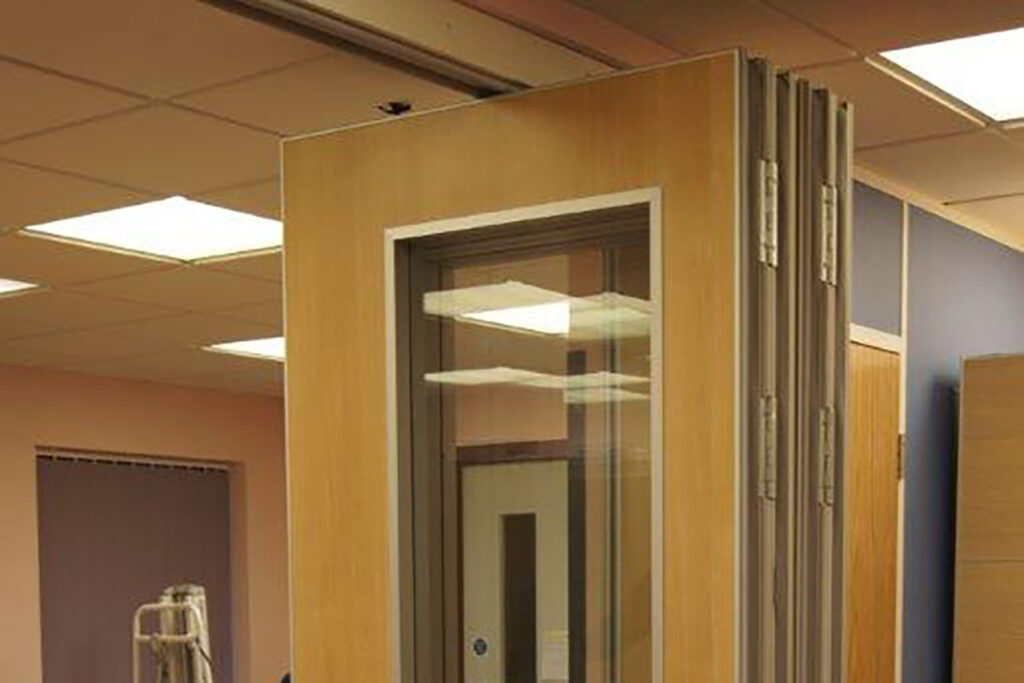
- Timber
- Plasterboard
- Metal framed systems
With a wide range of finishes available, partitions can support your brand identity and workplace design goals.
5. Flexible and Modular Designs
For workspaces that need to adapt, modular and movable systems offer excellent flexibility. Options include:
- Demountable partitions
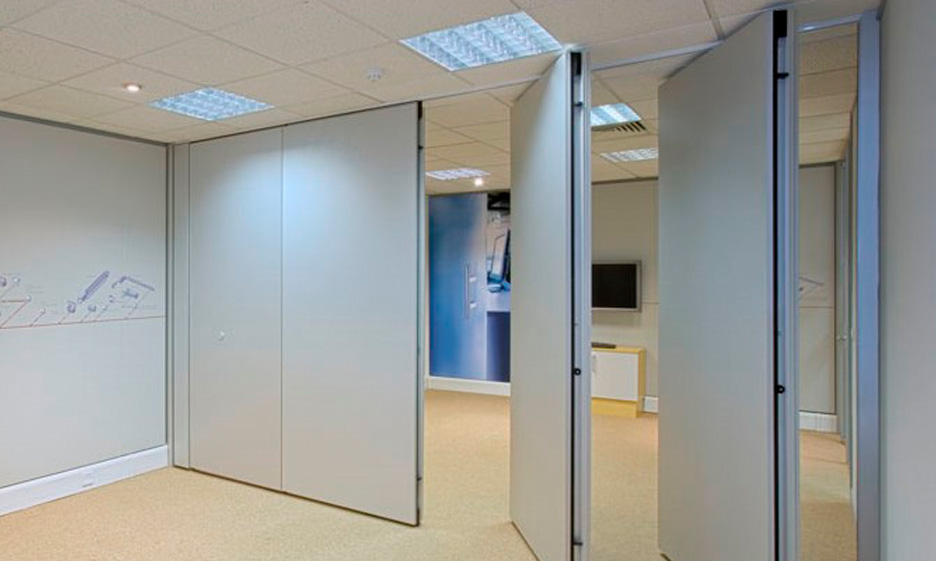
- Sliding or folding walls
- Reconfigurable layouts
- Custom internal wall systems
This allows businesses to change layouts as teams grow or functions shift.
Types of Commercial Partition Walls
Solid Commercial Partitions
Durable and high-performing, solid partitions are ideal for long-term installations requiring privacy or acoustic control.
Explore solid commercial partition options here:
https://buildingadditions.co.uk/solid-partitions/
Glass Commercial Partitions
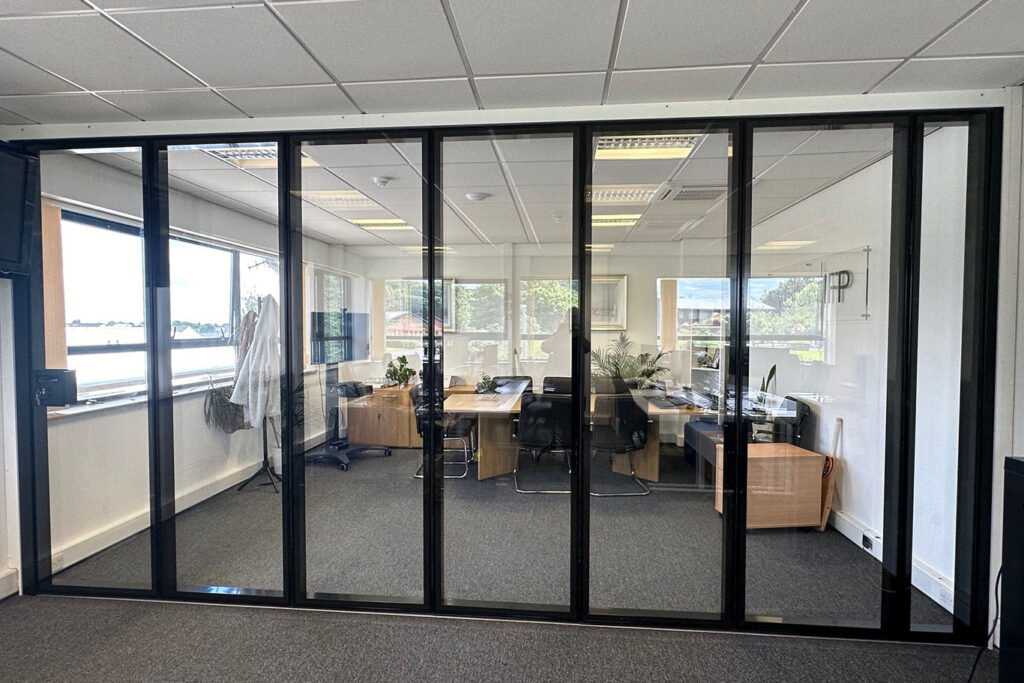
Bright, modern and visually appealing, glass partitions are used widely in offices and showrooms to maintain transparency while defining space.
Modular and Demountable Partitions
Perfect for businesses that regularly reshape their interior layouts, offering flexibility without compromising quality.
Acoustic Office Walls
Engineered to reduce noise transfer, these systems are popular in meeting rooms, managerial offices and shared workspaces.
Key Considerations When Choosing Commercial Partition Walls
Material Selection
Your choice of material will impact:
- Durability
- Acoustic performance
- Design aesthetic
- Cost
Consider the function of each space and the level of privacy required.
Fire Safety and Regulations
Commercial partition walls must comply with UK building regulations, including:
- Fire resistance ratings
- Safety standards
- Accessibility requirements
Working with an experienced installer ensures full compliance.
Acoustic Requirements
Different areas require different levels of sound control. Meeting rooms, for example, benefit from higher acoustic ratings than general office areas.
Installation Considerations
Why Professional Installation Matters
Precise installation is essential for achieving the best performance. Professional fitters ensure:
- Correct alignment
- Acoustic seals are effective
- Partition systems meet safety standards
- Long-term durability
A-Door Additions offer expert installation of solid and modular partition systems tailored to commercial environments.
Maintenance and Longevity
Commercial partitions are designed to be low-maintenance. Glass, solid and modular systems require occasional cleaning and basic upkeep, ensuring they stay functional and presentable for years.
Versatile, practical and cost-effective, commercial partition walls provide UK businesses with an efficient way to structure their workspaces. From acoustic performance to modern design and flexible configuration, they offer a smart solution for evolving workplace requirements.
Explore high-quality commercial partition wall options at:
https://buildingadditions.co.uk/solid-partitions/
For professional advice or installation support, contact the team:
Phone: 01373 454577
Email: info@buildingadditions.co.uk
FAQs
Q1: Do commercial partition walls require planning permission?
A1: Internal, non-load-bearing commercial partitions typically do not require planning permission, but they must meet relevant UK building regulations.
Q2: How long does installation take?
A2: Installation time varies based on the system, but many commercial partition walls can be installed quickly, often within a few hours or days, depending on complexity.
Q3: Can commercial partitions be reconfigured in the future?
A3: Yes. Modular and demountable systems are designed for flexibility and can be moved or adjusted as your workspace evolves.