Introduction
Choosing between an internal partition wall and a permanent structural wall is an important decision when planning any interior layout. Whether you are reconfiguring an office, upgrading a commercial space or improving a residential property, understanding the differences can help you avoid costly mistakes and ensure your space works exactly as intended.
An internal partition wall offers flexibility and efficiency, while permanent walls provide long-term structure. The right choice depends on how you use your space now — and how you might need to use it in the future.
What Is an Internal Partition Wall?
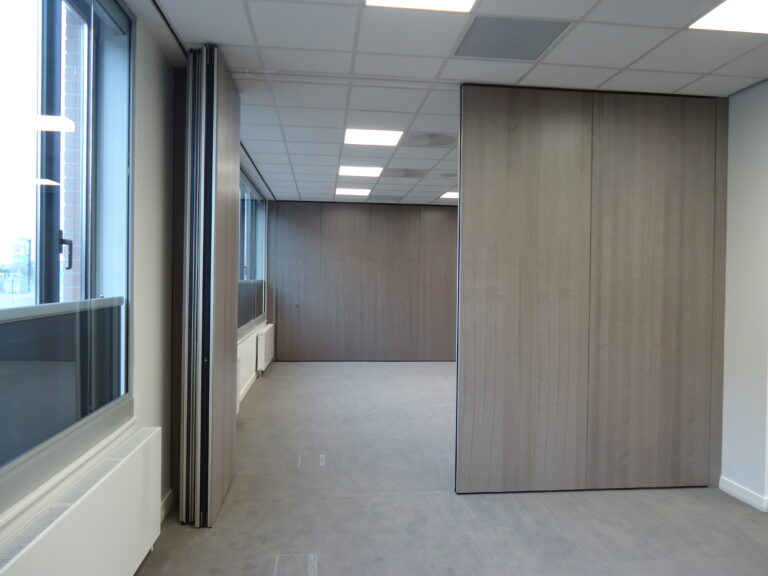
An internal partition wall is a non-load-bearing structure designed to divide space within a building. Unlike permanent walls, it does not support the building’s structure and can often be installed, removed or repositioned with minimal disruption.
These systems are widely used across the UK in:
- Offices and commercial buildings
- Schools and educational environments
- Retail spaces
- Modern residential layouts
Because an internal partition wall is not structural, it allows for much greater flexibility when designing or adapting interiors.
What Are Permanent Walls?
Permanent walls, often referred to as structural or load-bearing walls, form part of the building’s core construction. They are designed to support floors, ceilings or roofs and cannot be removed without significant structural work.
While permanent walls provide strength and durability, they also:
- Require planning and structural approval for changes
- Involve longer construction times
- Limit future layout flexibility
Key Differences Between Internal Partition Walls and Permanent Walls
Flexibility and Adaptability
One of the biggest advantages of an internal partition wall is flexibility. These systems can often be reconfigured or removed entirely, making them ideal for evolving spaces.
Permanent walls, on the other hand, are fixed. Once installed, altering them can be expensive and disruptive.
Installation Time and Disruption
An internal partition wall can usually be installed quickly, often with minimal disruption to daily operations. This makes it particularly appealing for businesses that cannot afford downtime.
Permanent walls require more extensive construction work, which can impact productivity and timelines.
Cost Considerations
In most cases, an internal partition wall is more cost-effective than building a permanent wall. Lower labour costs and quicker installation contribute to overall savings.
However, permanent walls may be necessary where structural integrity is required, so cost should always be balanced with function.
Design and Aesthetics
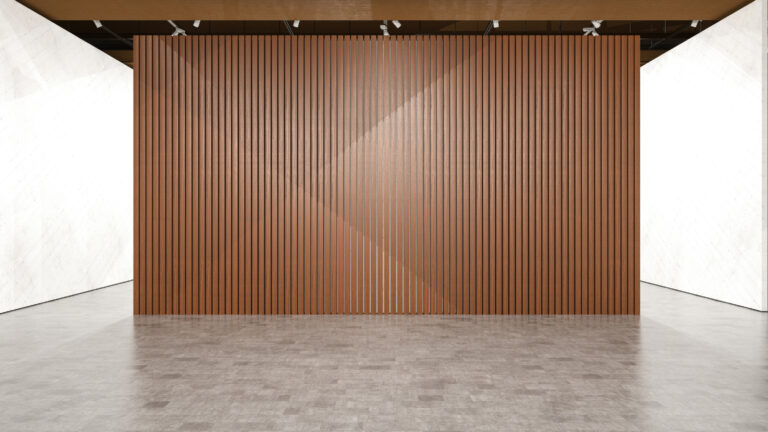
Modern internal partition wall systems come in a wide range of finishes, including glass, timber and solid panels. This allows them to integrate seamlessly into contemporary interiors.
Permanent walls offer fewer design options without additional finishing work.
Acoustic Performance
Both options can provide sound insulation, but acoustic-rated internal partition wall systems are specifically designed to manage noise in environments such as offices or meeting rooms.
Guidance from organisations such as British Gypsum highlights how partition systems can be engineered to meet specific acoustic requirements in commercial settings.
When Should You Choose an Internal Partition Wall?
An internal partition wall is typically the best option when:
- You need flexibility for future layout changes
- The space is non-structural
- Installation speed is important
- You want a cost-effective solution
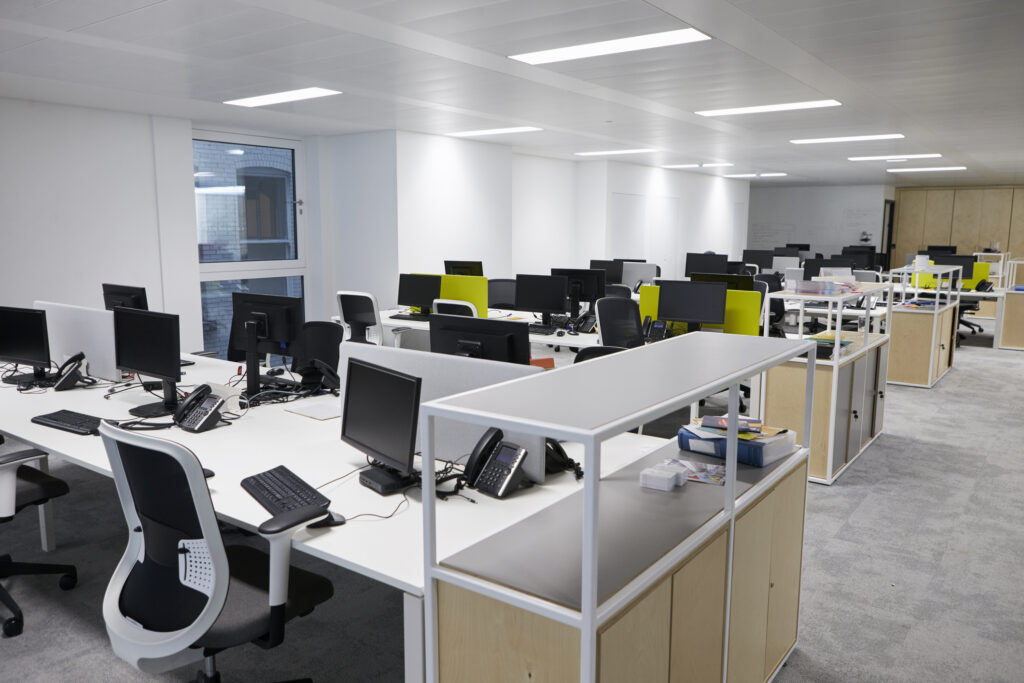
For example, many businesses in Manchester are using partition systems to adapt office layouts for hybrid working, allowing spaces to shift between collaborative and private use.
When Are Permanent Walls More Suitable?
Permanent walls are necessary when:
- Structural support is required
- Long-term, fixed layouts are essential
- Building regulations demand it
In these cases, a partition wall would not be suitable as it cannot replace structural components.
Practical Example: Office Refurbishment
Consider a business refurbishing an office space. Installing permanent walls would lock the layout in place, making future changes difficult. By choosing a partition wall, the company can:
- Create meeting rooms now
- Reconfigure space later as teams grow
- Avoid major construction work in the future
This flexibility is a major reason why partition systems are becoming the preferred choice in modern commercial design.
Conclusion
The decision between an internal partition wall and a permanent wall ultimately comes down to flexibility versus structure. For most non-load-bearing applications, partition systems provide a faster, more adaptable and cost-effective solution.
As workplaces and living environments continue to evolve, the ability to reconfigure space quickly is becoming increasingly valuable — making the internal partition wall a smart, future-proof investment.
Frequently Asked Questions
Q1: Can a partition wall be removed easily?
A: Yes, most systems are designed to be removed or reconfigured with minimal disruption.
Q2: Do internal walls require planning permission?
A: In most cases, no, as they are internal and non-structural — but always check specific regulations.
Q3: Are partition walls strong enough for everyday use?
A: Yes, modern systems are designed to be durable and suitable for both commercial and residential environments.
If you’re considering upgrading your space, an expertly installed partition wall can give you the flexibility to adapt without the cost and disruption of permanent construction.
For expert advice and installation, contact A‑Door Additions today.
Phone: 01373 454577
Email: info@a-dooradditions.co.uk