Interior design trends across the UK continue to favour natural materials, texture and warmth. Wooden Partitioning offers a practical way to divide space while enhancing the overall aesthetic of a building. Whether installed in offices, schools or community venues, timber-based systems combine functionality with visual appeal.
Why Choose Wooden Partitioning?
Wood introduces a sense of quality and permanence to an interior. Wooden Partition systems are often selected because they:
-
Provide a professional, high-quality finish
-
Offer improved acoustic separation compared to open-plan layouts
-
Integrate seamlessly with doors and glazing
-
Complement both contemporary and traditional interiors
Beyond aesthetics, timber surfaces can also help soften the visual feel of large commercial spaces. Offices and public buildings that incorporate natural materials often feel more welcoming and comfortable for both staff and visitors. Wooden Partitioning can therefore play a role not only in dividing space but also in shaping the overall atmosphere of an environment.
The durability of modern timber-faced systems also makes them suitable for long-term use. With the correct specification, Wooden Partitions can maintain its appearance even in busy workplaces and public buildings.
Wooden Partitioning in Office Environments
Modern offices require a balance between openness and privacy. Wooden Partitioning enables businesses to create meeting rooms, executive offices and breakout areas without compromising the overall design concept.
Timber finishes can be used to complement furniture, flooring and interior décor, creating a cohesive design throughout the workspace. This can be particularly valuable in reception areas, boardrooms or executive offices where appearance and professionalism are important.
Wooden Partitioning also allows businesses to create quieter work zones while maintaining a structured layout. By introducing defined spaces within an open-plan office, companies can support different working styles without losing the collaborative benefits of shared environments.
Education and Community Buildings
Schools, colleges and community centres benefit from Wooden Partitioning when dividing halls, classrooms or meeting spaces. In education settings, these systems help create smaller teaching areas and improve acoustic performance for focused learning.
Community venues often host a wide range of activities throughout the week, from meetings and classes to social events. Wooden Partitioning can help divide larger halls into more manageable spaces, allowing multiple activities to take place simultaneously.
Because timber finishes are both durable and visually appealing, they are particularly suited to buildings that require a professional appearance while accommodating frequent use.
Acoustic Performance and Practicality
Wooden Partitioning can be specified with acoustic cores and seals that reduce sound transmission between spaces, making it suitable for environments where privacy is essential.
For offices, this may include meeting rooms where confidential conversations take place. In education settings, acoustic performance helps minimise disruption between classrooms or activity areas. Properly designed systems help reduce noise transfer while maintaining a solid, permanent feel.
Timber-faced panels are also designed for everyday practicality. Many systems include robust finishes that resist wear, helping them withstand regular use in high-traffic environments.
Design Flexibility
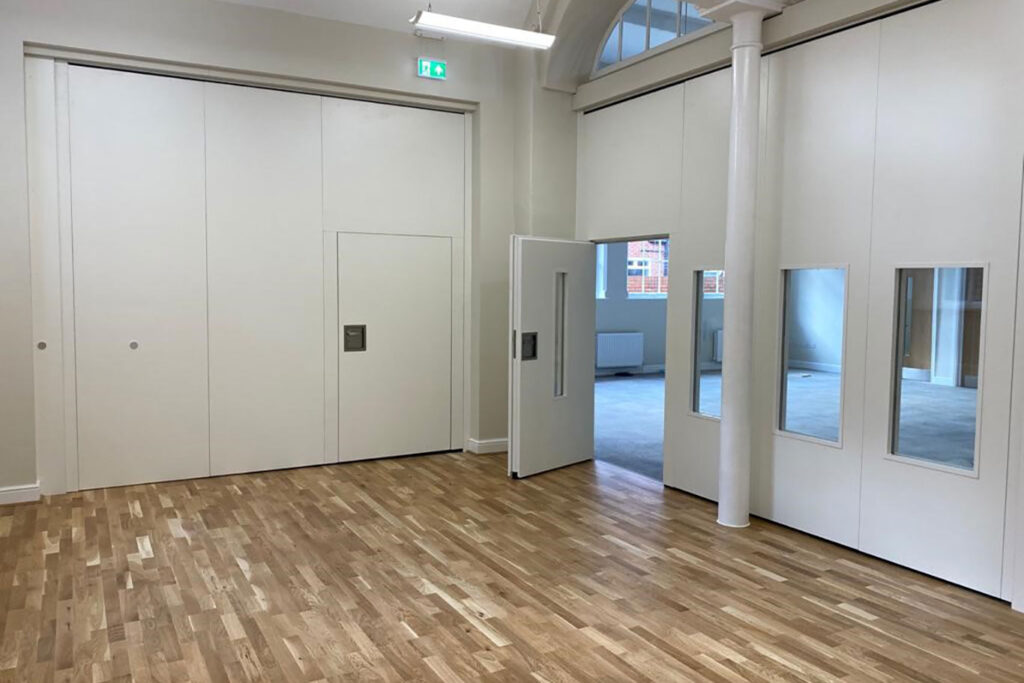
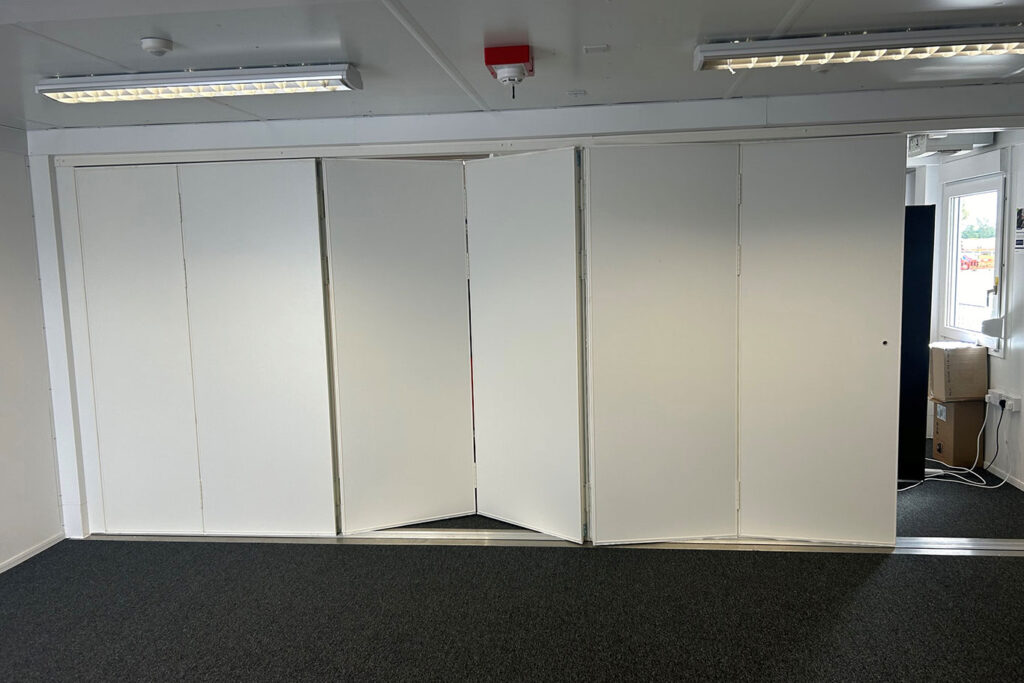
Wooden Partitioning systems can incorporate solid panels, glazed sections and integrated door units, allowing layouts to be tailored to operational needs and interior design goals.
For example, glazed panels can be combined with timber sections to maintain natural light flow while still introducing visual structure. Integrated door systems allow smooth movement between spaces while maintaining the same design language throughout the building.
This flexibility enables designers and building managers to create layouts that support both functionality and aesthetics.
Key Considerations Before Installation
Before specifying Wooden Partitioning, consider:
-
Required acoustic performance
-
Desired finish and colour
-
Integration with lighting and HVAC systems
-
Fire safety compliance
-
Long-term adaptability needs
It is also important to consider how the partitioning will interact with existing building services and structural elements to ensure a smooth installation process.
Conclusion
Wooden Partitioning offers a refined and practical way to divide interior space while enhancing the visual character of a building. By combining durability, acoustic performance and design flexibility, timber partition systems allow organisations to create functional spaces that also contribute to a warm and professional interior environment.
For expert advice and installation of concertina hall partitions, contact A‑Door Additions today.
Phone: 01373 454577
Email: info@a-dooradditions.co.uk
Frequently Asked Questions
Q1: Is Wooden Partitioning suitable for commercial offices?
A1: Yes. Many offices choose Wooden Partitioning to combine professional aesthetics with acoustic performance and flexible layout options.
Q2: Does Wooden Partitioning provide sound insulation?
A2: When correctly specified, systems can significantly reduce sound transfer between rooms, improving privacy and concentration.
Q3: Can Wooden Partitioning be customised?
A3: Yes. Finishes, panel sizes and configurations can be tailored to suit both contemporary and traditional interiors.