Yes. Glazed partitions can help create a more modern office appearance by introducing cleaner sightlines, increasing the sense of openness and allowing light to travel more freely between different parts of a workplace.
Modern office design often aims to balance two competing requirements. Employees still need defined rooms for meetings, focused work and private conversations, but businesses increasingly want to avoid creating workplaces that feel dark, enclosed or heavily divided.
Glass partitions can provide a practical middle ground.
Instead of separating areas with completely solid walls, glazing allows different parts of the workplace to remain visually connected. This can make an office feel brighter and more spacious while still providing the physical separation needed for different activities.
However, the appearance of a modern workplace depends on more than simply installing glass. The framing, layout, privacy requirements, furniture, finishes and way different spaces are used all influence whether glazed partitions are the right solution.
Why are glazed partitions associated with modern office design?
Traditional office layouts often relied on long corridors and rows of enclosed rooms separated by solid walls. Although this approach provides clear boundaries, it can also create darker internal areas and make a workplace feel more compartmentalised.
Contemporary office layouts tend to place greater emphasis on visual openness and adaptable use of space.
Glazed partitions fit naturally into this approach because they create boundaries without completely blocking views through the workplace.
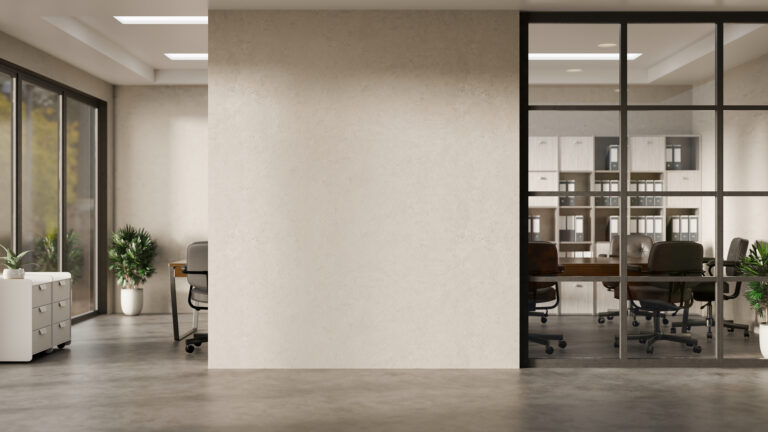
A glass meeting room positioned within an open-plan office, for example, still feels connected to the surrounding workspace. Employees can see activity beyond the room, natural light can remain visible, and the overall floor plan feels less fragmented.
This visual continuity can make relatively compact workplaces feel larger.
The clean lines associated with glass also work well alongside many materials commonly used in contemporary interiors, including metal, timber, exposed brickwork and neutral finishes.
However, “modern” does not have to mean minimal or highly corporate. The character of a glazed partition can be changed considerably through the choice of framing, frosting, manifestation and surrounding materials.
This makes glass suitable for a broad range of office styles rather than one particular visual trend.
How do glazed partitions affect natural light?
One of the biggest visual advantages of glazed partitions is their ability to allow light to pass through internal boundaries.
Solid walls can prevent daylight from reaching spaces positioned away from external windows. As more rooms are created around the perimeter of a building, central areas can become increasingly dependent on artificial lighting.
Glass can help retain much more visual access to daylight.
This can be particularly useful where businesses want to create meeting rooms or private offices around the edges of an open-plan space without making the central working area feel enclosed.
Natural light is also an important consideration within wider workplace design. Guidance from the Health and Safety Executive on workplace health, safety and welfare highlights the importance of suitable and sufficient lighting, with natural light used where reasonably practicable.
Glazing does not create additional daylight, of course, but it can help businesses make better use of the natural light already entering the building.
This can have a significant effect on how the office feels visually.
A workplace with clear views towards windows generally feels more open than one where every room is surrounded by opaque walls, even when the actual floor area is identical.
Can glazed partitions make a small office feel larger?
They often can.
Solid walls create strong visual boundaries. Once a wall is built, the eye effectively stops at that point.
Glass allows people to see beyond the immediate room, extending the perceived depth of the space.
For businesses working with limited floor area, this can be especially useful.
A compact meeting room surrounded by glass may still feel connected to the larger office around it. Likewise, employees sitting in the open-plan area can see through the meeting room towards windows or other parts of the workplace.
This does not increase the physical size of the office, but it can make the environment feel less confined.
Careful positioning is important, however.
Simply adding large amounts of glazing without considering furniture placement, circulation routes or privacy can make an office feel exposed rather than spacious.
The most effective layouts tend to use glazing where visual connection is useful while retaining more private or enclosed areas where appropriate.
Can glazed partitions provide privacy as well as openness?
Privacy is one of the main concerns businesses have when considering glass partitions.
Fortunately, glazing does not have to mean complete transparency.
Several approaches can help balance visual openness with the need for privacy.
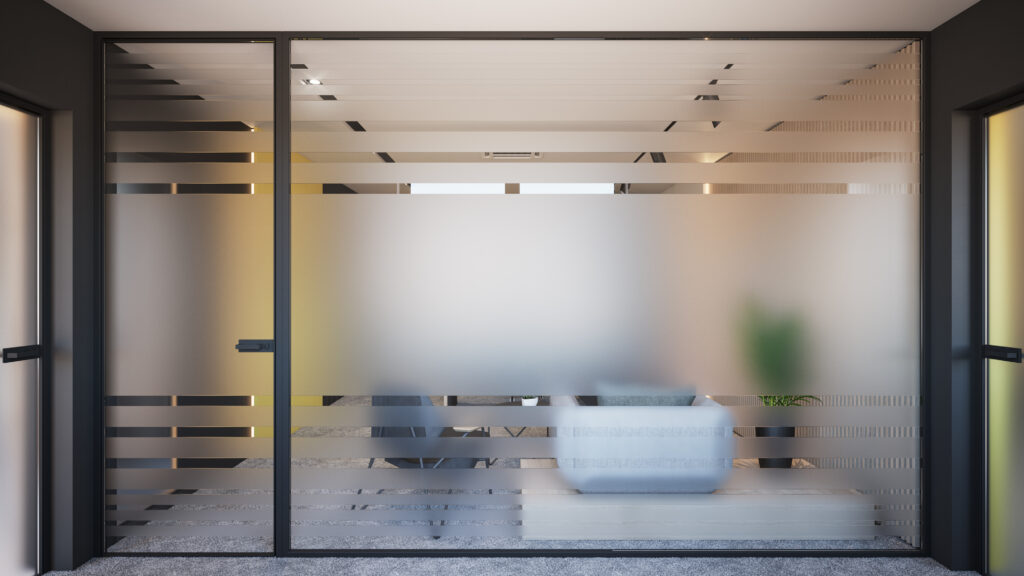
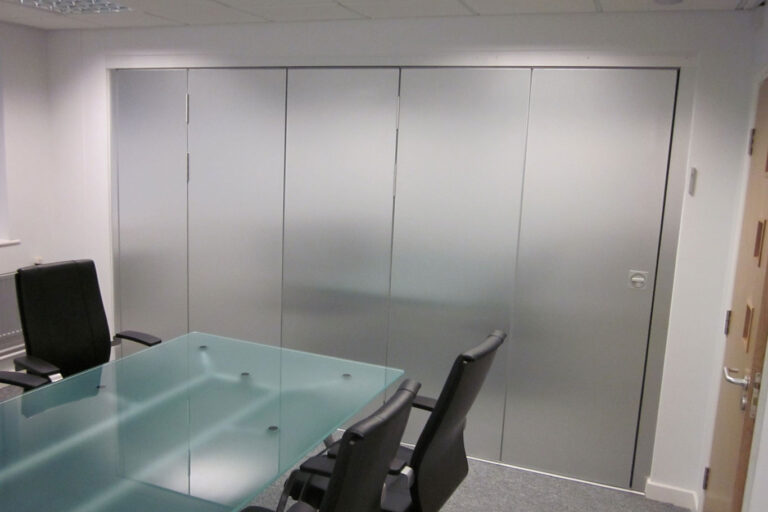
Frosted areas can obscure direct views while still allowing light to pass through. Manifestation can also be incorporated into glass for both practical and decorative purposes.
Businesses may choose simple bands, geometric patterns or designs that complement their visual identity.
The height and position of frosting can also be adjusted.
For example, a meeting room may remain transparent at higher levels while using frosting around seated eye level to provide greater privacy during discussions.
Blinds or other screening options may also be appropriate in rooms that occasionally require additional confidentiality.
This flexibility allows organisations to create different levels of privacy across the workplace rather than treating every glazed room in exactly the same way.
Can glazed partitions support a consistent office design?
Yes, particularly when they are considered as part of the wider interior rather than as an isolated feature.
Framing can have a substantial impact on the finished appearance.
Slim framing can create a clean, understated look, while more prominent framing can become a deliberate architectural feature.
Glass can also work effectively alongside timber.
Businesses looking for a warmer or more traditional feel may combine glazing with wooden finishes, doors or surrounding joinery rather than creating an entirely glass-and-metal environment.
This can be useful in converted buildings, professional offices and other workplaces where an ultra-minimal appearance would feel out of character.
Where timber is an important part of the interior, businesses can also explore wooden partition systems for areas where solid or semi-solid separation is more appropriate.
A well-designed office does not necessarily need to use one partition style throughout.
Combining materials can often produce a more practical and visually interesting result.
Can branding be incorporated into glazed partitions?
Glass provides an opportunity to introduce subtle visual identity into the workplace.
Frosted manifestation, patterns and graphics can potentially incorporate shapes, motifs or visual elements associated with a company’s brand.
This can be particularly effective in reception areas, client-facing meeting rooms and collaborative spaces.
Branding does not need to dominate the glass.
In many offices, understated details create a more professional result than large logos repeated throughout the building.
A repeated geometric pattern, a particular frosting style or visual treatment inspired by the organisation’s wider design language may be enough to create consistency.
Manifestation can also serve a practical purpose.
Large transparent glazed surfaces need to remain visible to people moving through the workplace. Appropriate markings can help make glass easier to identify while becoming part of the interior design.
What about acoustic performance?
Appearance is only one consideration when choosing glazed partitions.
Meeting rooms, private offices and interview spaces may also need meaningful acoustic separation.
Glass can form part of an acoustically considered partition system, but performance depends on the overall specification.
The type and thickness of glazing, framing, seals, doors and surrounding construction all influence how sound passes between spaces.
This means businesses should avoid selecting a glazed partition purely because it looks suitable.
A transparent meeting room positioned beside a busy open office may appear visually impressive but become frustrating if every conversation can easily be heard outside.
The room’s intended use should therefore be established first.
An informal collaboration space may have relatively modest acoustic requirements. A boardroom or HR meeting room may require much more careful specification.
Appearance and performance should be designed together rather than treated as separate decisions.
Are glazed partitions suitable for every part of an office?
Not necessarily.
Although glass can make many workplaces feel brighter and more contemporary, there are situations where a solid partition is more appropriate.
Areas where visual privacy is essential may benefit from opaque walls.
Storage rooms, changing areas, certain private offices and spaces containing sensitive information may not gain much practical benefit from extensive glazing.
There may also be workplaces where glare, solar gain or the position of existing windows requires more careful consideration.
The aim should therefore not be to maximise the quantity of glass.
It should be to use glazing where transparency and light genuinely improve the way the workspace functions.
In many offices, the strongest solution is a combination of different partition types.
Glazing can be used around meeting rooms and collaborative areas, while solid or timber partitions can provide greater privacy elsewhere.
This creates a workplace with different levels of openness rather than a uniform design.
How can glazed partitions work with flexible office layouts?
The idea of the modern workplace has increasingly become connected with flexibility.
Teams grow, departments move and rooms often need to support several different activities across the working week.
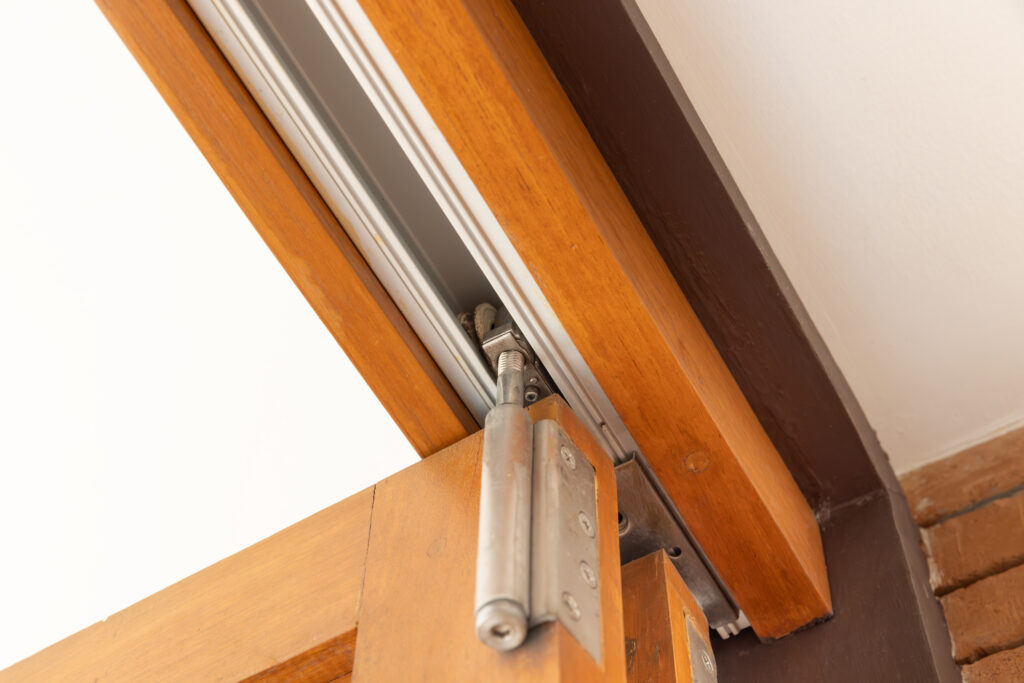
Fixed glazed partitions can create permanent rooms while preserving visual openness, but businesses that need greater flexibility may also consider movable or sliding systems.
These allow larger spaces to be divided when required before being opened again.
For example, a company may want one large presentation or collaboration area for larger meetings while needing smaller spaces during normal working hours.
A suitable movable partition can help the room serve both purposes.
The design challenge is therefore broader than deciding between “glass” and “solid”.
Businesses should consider which boundaries need to remain fixed and which would be more useful if they could change.
This approach can result in a workplace that looks modern because it functions in a modern way, rather than simply because it uses contemporary materials.
What should businesses consider before choosing glazed partitions?
The best starting point is to consider how each area of the workplace will actually be used.
Questions worth asking include:
- How much visual privacy does the room require?
- Does natural light need to pass into neighbouring areas?
- Will confidential conversations take place there?
- How important is acoustic separation?
- Should the partition match existing doors, furniture or timber finishes?
- Might the room layout need to change in future?
- Will frosting or manifestation be required?
These practical questions are often more useful than choosing a design solely from photographs.
Two offices can look visually similar while having completely different functional requirements.
A client-facing professional practice may prioritise privacy and a clean appearance, while a creative workspace may prefer greater transparency and visual interaction between teams.
Understanding those differences helps determine the right balance of glazing, framing and solid materials.
Can older offices be modernised using glazed partitions?
Glazed partitions can be particularly effective when refurbishing an existing workplace.
A business may not need to redesign the entire building to create a more contemporary environment.
Replacing selected solid divisions or reorganising part of the floor plan can significantly change how the office feels.
This can be especially useful in buildings where internal rooms have gradually been added over many years, leaving the layout fragmented or reducing natural light.
Introducing carefully positioned glazing can help reconnect those areas visually.
However, the existing architecture should still influence the design.
A modern partition system does not necessarily need to contrast sharply with an older building. Glass can work particularly well alongside original timber, exposed masonry or other traditional features because it introduces relatively little visual bulk.
The result can feel contemporary without erasing the character of the building.
Frequently Asked Questions
Do glazed partitions make an office look more expensive?
They can create a polished and professional appearance, but the finished result depends on the quality of the overall design and installation. Appropriate framing, doors, flooring, lighting and furniture all contribute to how the workplace looks.
Can glazed partitions be frosted for meeting rooms?
Yes. Frosted areas can provide additional visual privacy while still allowing light to pass through the partition. The amount and position of frosting can be selected according to how the room is used and the level of privacy required.
Are glazed partitions only suitable for large offices?
No. They can be particularly useful in smaller workplaces because maintaining sightlines and allowing light to move through the office can make compact spaces feel less enclosed. The layout still needs to be planned carefully to ensure privacy and practicality are maintained.
Glazed partitions can make an important contribution to a modern office appearance, but their value goes beyond aesthetics. Used thoughtfully, they can help preserve natural light, maintain visual connections between different parts of a workplace and create defined rooms without making the wider office feel heavily divided.
The strongest results come from considering appearance alongside privacy, acoustic requirements and the way each room will actually be used.
A-Door Additions can advise on partition systems for workplaces where businesses want to balance practical separation with a lighter, more contemporary interior. To discuss the requirements of your space, contact A-Door Additions.
Phone: 01373 454577
Email: info@a-dooradditions.co.uk
Find out more: https://buildingadditions.co.uk/